RMIT Master of Architecture, Design Studio Semester 2, 2025
Supervisor: Dr Michael Spooner
Students: Luke Infantino, Jack Cohen, Clare Hiatt, Tuana Aktepe, Levi Anderson-Barrett, Felix Tie, Natercia De Assis Jorge, Charlotte Ocken, James Fox, Lachlan Hartnett, Ivana Ovcaric, Ebony Harli & William Allen.
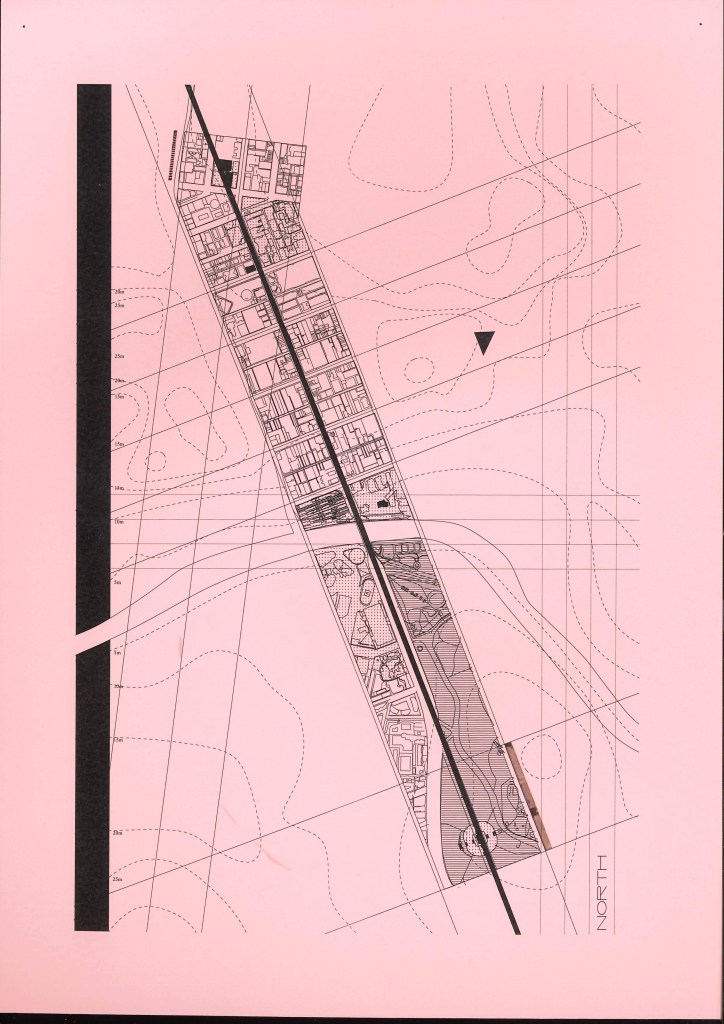
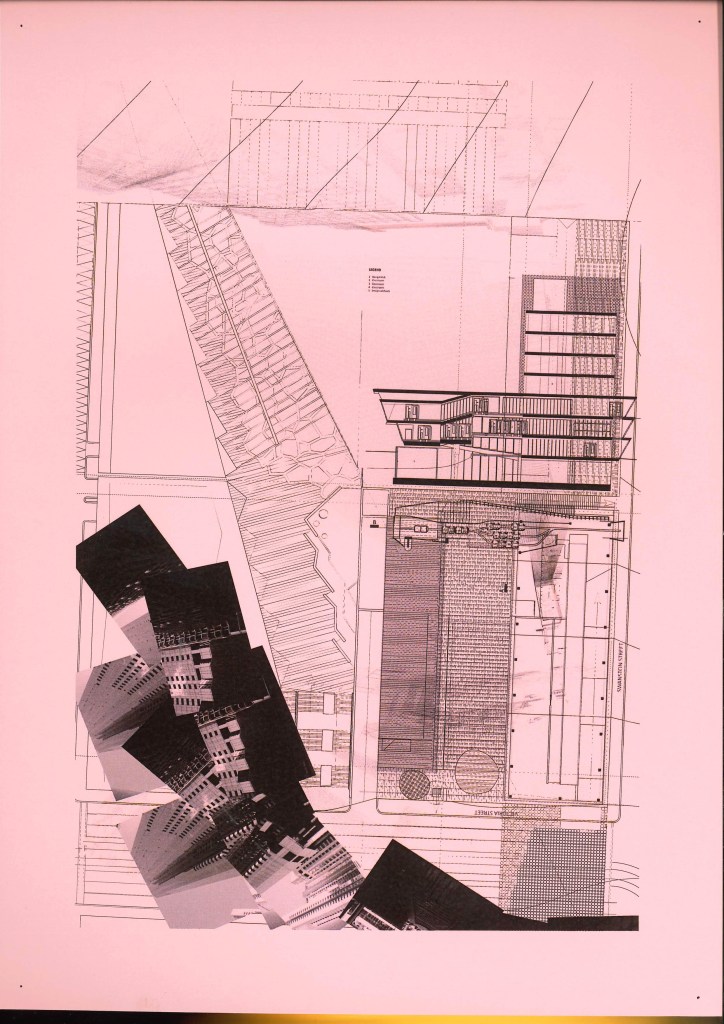
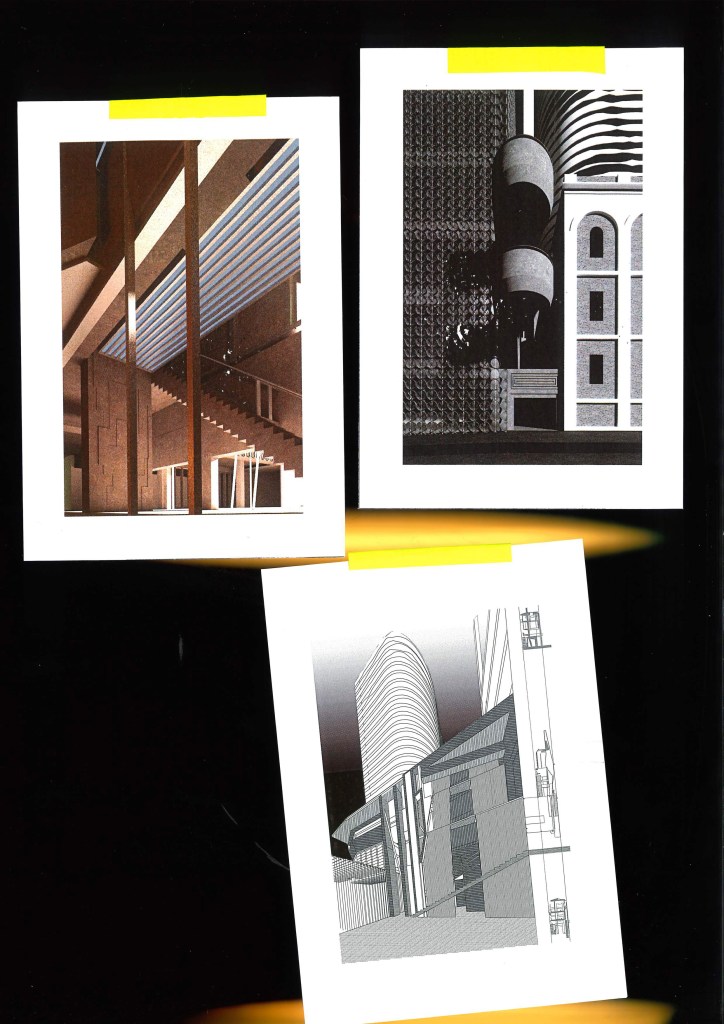
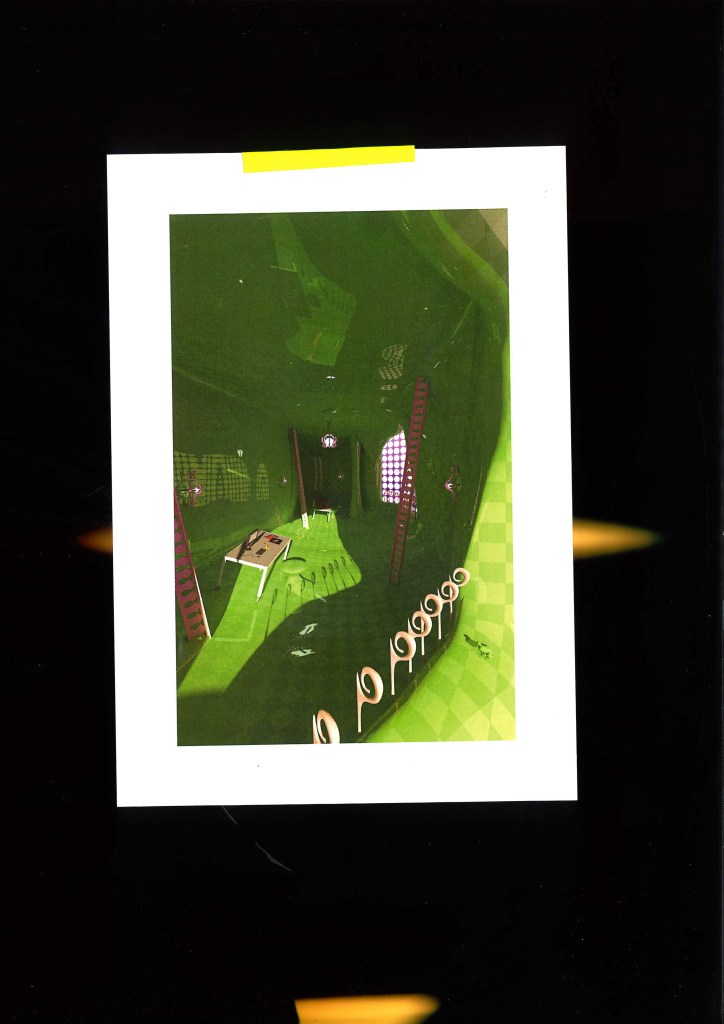
Luke Infantino was awarded the RMIT Master of Architecture Design Excellence Award, and the ARM Architecture Award. The ARM Citation composed by the supervisor read: “The award recognises Luke’s persistent, provocative, and proudly peculiar contribution to the studio’s polemic, performed through his patient probing, perceptive pushback, and punctilious pursuit of productive paradox. His studio folio, a palimpsest of partnered projects, pointed provocations, private ponderings, and profoundly perceptive self-positioning, presents a precise, potent, and philosophically charged proposition within the studio’s protracted, precarious, and permanently pressing conversation with the institution that props it up. Perpetually pouting his way toward far fewer playful, promiscuous innuendos than he might prefer, Luke proclaims, “the fact that it went so well is what I simultaneously value and detest.” Luke will never be pegged as a people pleaser, but he will, in all probability, purchase his partners a well-earned pint”.
These are moist times we live in.
If things don’t explore – they melt.
One way or another, everything gets wet.
Ashes to acid; dust to pus.
One way or another, everything gets wet.
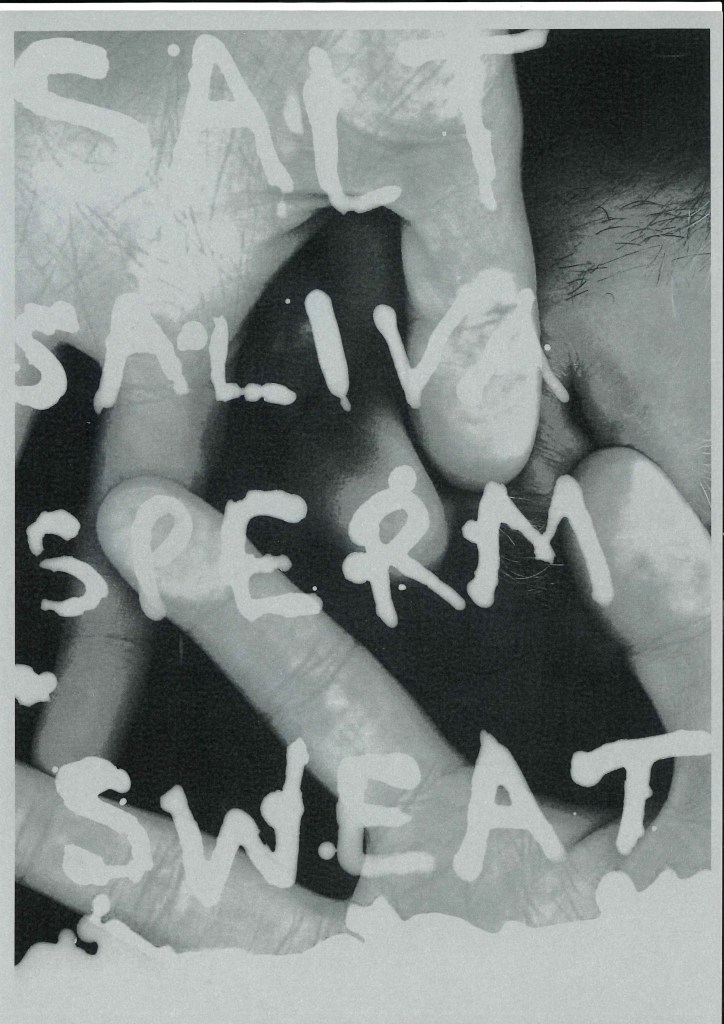
Salt, saliva, sperm and sweat.
Brophy etal, Salt, Saliva, Sperm and Sweat, 1988
Let me hear your body talk, your body talk,
Let me hear your body talk
Olivia Newton-John, Physical, 1981
Sceptical of the reparative turn, Salt, Saliva, Sperm & Sweat channels the energies of dissent to examine injury as both a mode of learning and a political paradox—entangled with the possibility of epistemological emancipation.
This studio intrudes upon the University, the School of Architecture, and the design studio. It does not deride these pedagogical models, nor should it be assumed that they will be the object of negation. Through them, as much as escalated from them, the studio must design and demand the possibility of our disagreement, a ‘community of dissensus’.
The studio marshals the tutor, student, studio, school, and university as ambiguous subjectivities — alchemists as much as propagandists—imagining their various postures: prone, supine, recumbent and prostrate. These form four ‘Schools of Injury’ through which architecture’s inclinations will be interrogated. The format of a Master Studio is inherently polemical, inviting participation in a shared experiment centred on the future. This studio is wary of the gilded tedium of this unknown, totalised as a unary extension of the present intellectual system. Nevertheless, it yields to a future of mutual invention, curious about the hysterical and macaronic possibilities of its indeterminacy, and consciously venturing with opposition in mind.
The studio is explicitly interested in repetition: exploring the possibilities of a recursive narrative that establishes architecture as an instrument of measurement — one that alters the subject in the process of measuring, and similarly has its own qualities modified in the encounter. As functions of repetition, splitting and doubling are behaviours that anticipate the spatial practices and concepts likely to become the paradigm in the studio. Notably, these behaviours lack extroversion and are likely to be easily appropriated. Consequently, an element of abstraction will be introduced in the form of the city.
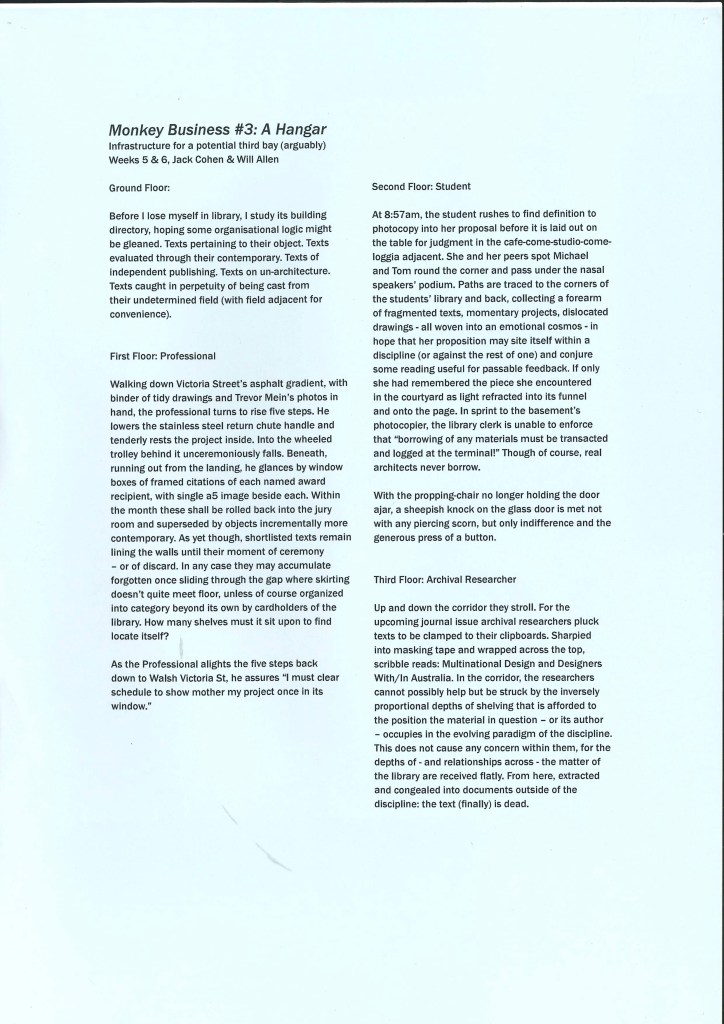
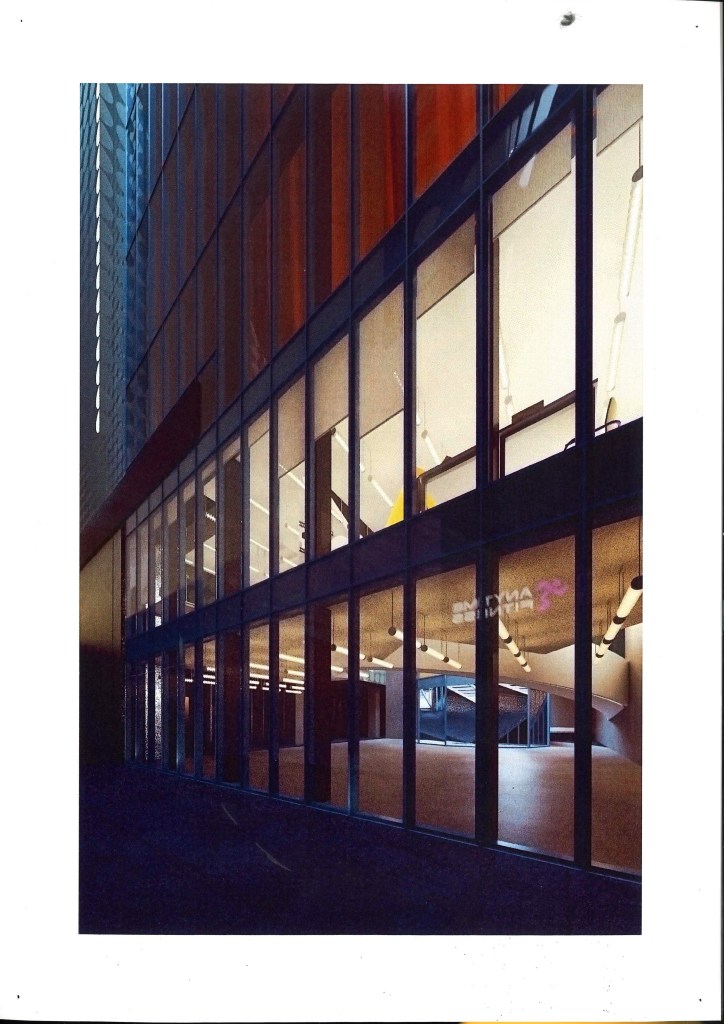
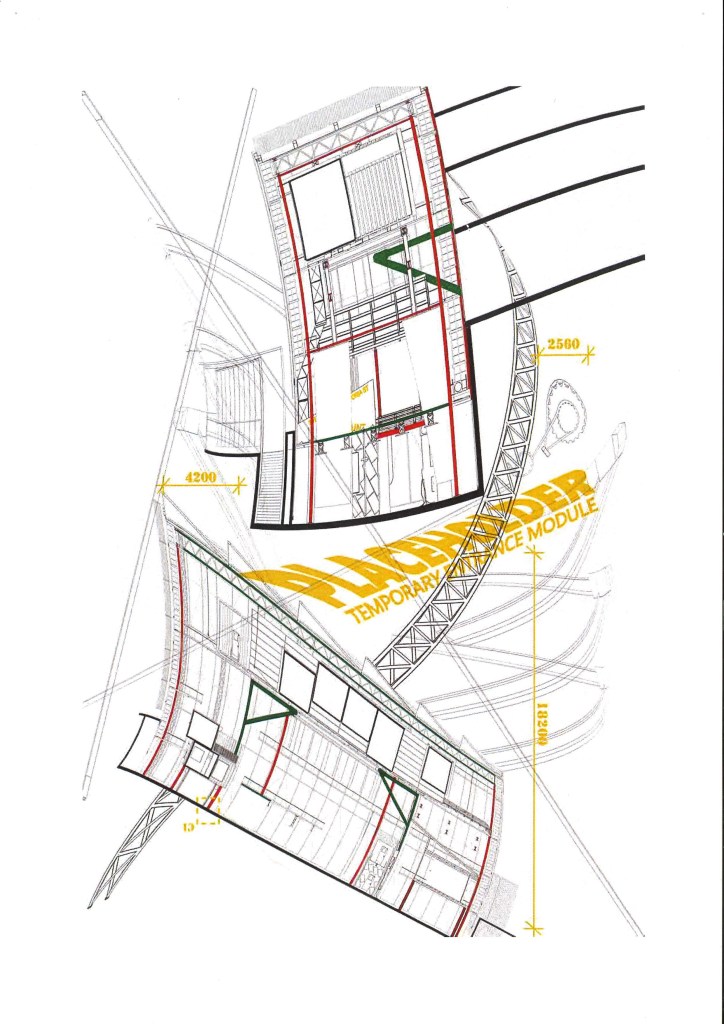
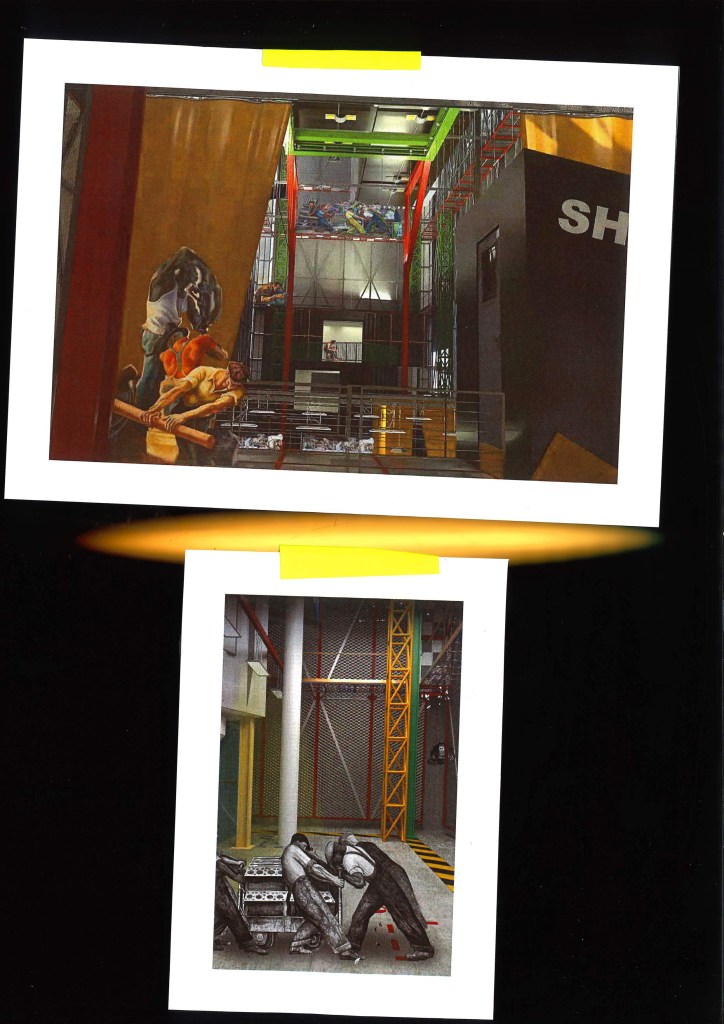
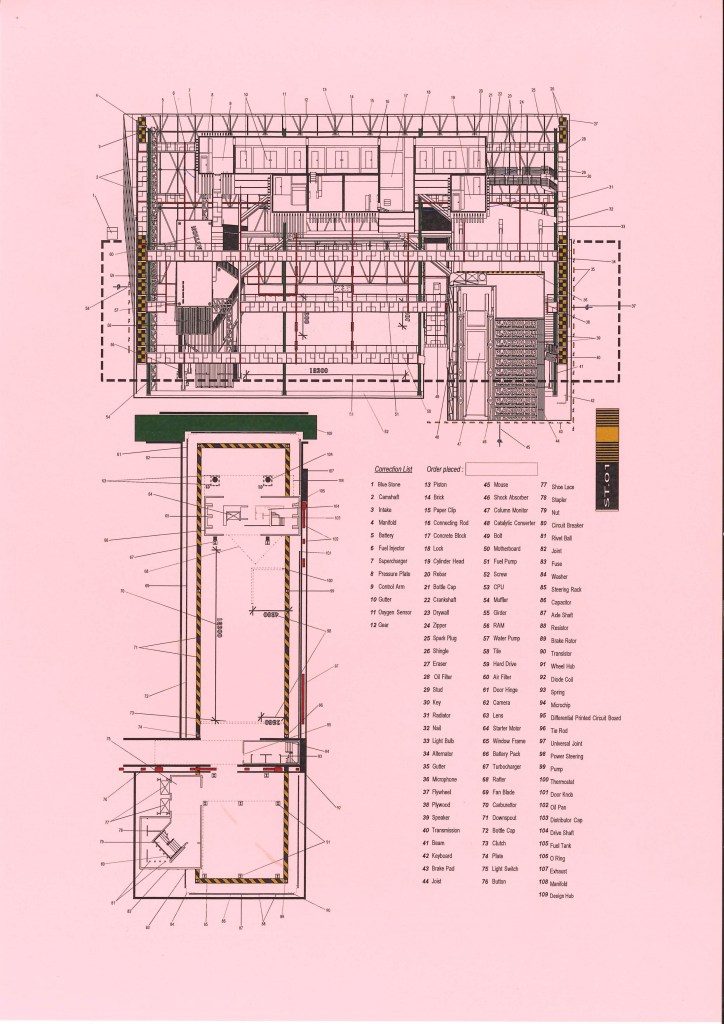
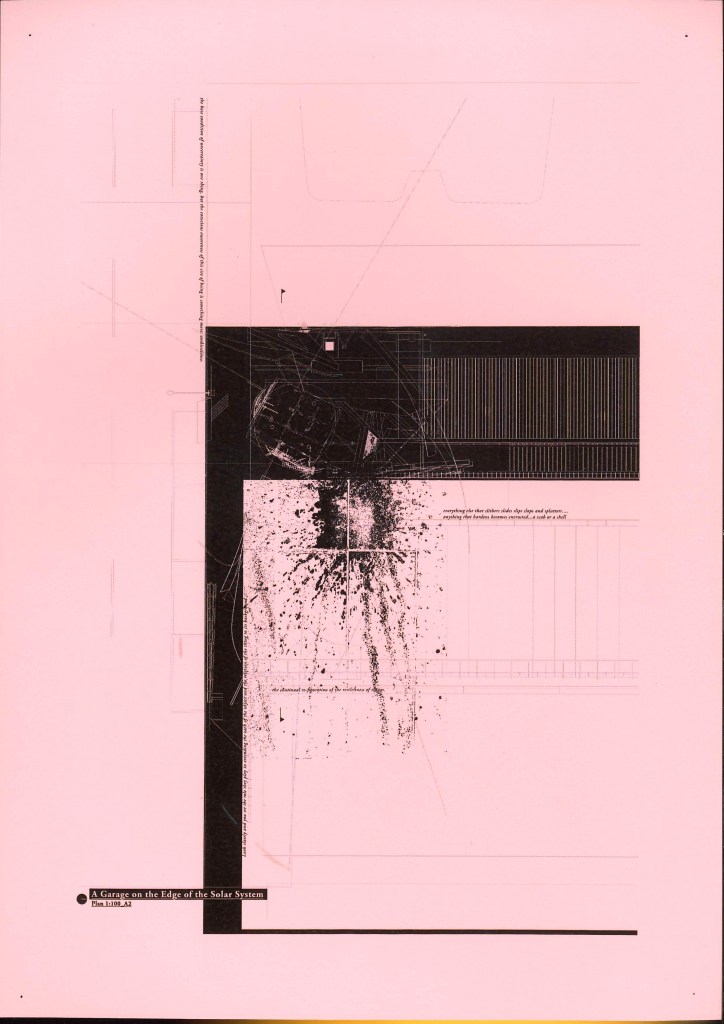
The studio will progress as a sequence of distinct projects that employ the interpretive infrastructure of the garage, shed, and hangar. These typologies are defined by their ambivalence to symbolic codes and visceral effects, eschewing memory and recollection while requiring editorial discipline. Crucially, their skeletal framework disregards architecture’s historical and ontological involvement with death — a universal substitute for utopia that this studio seeks to resist.
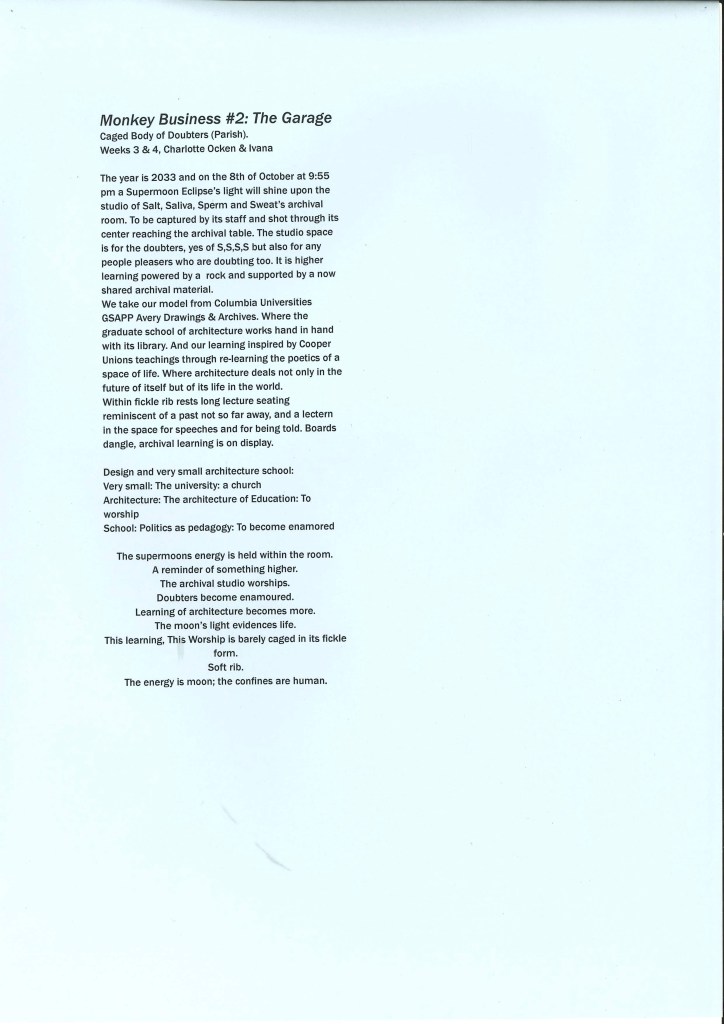
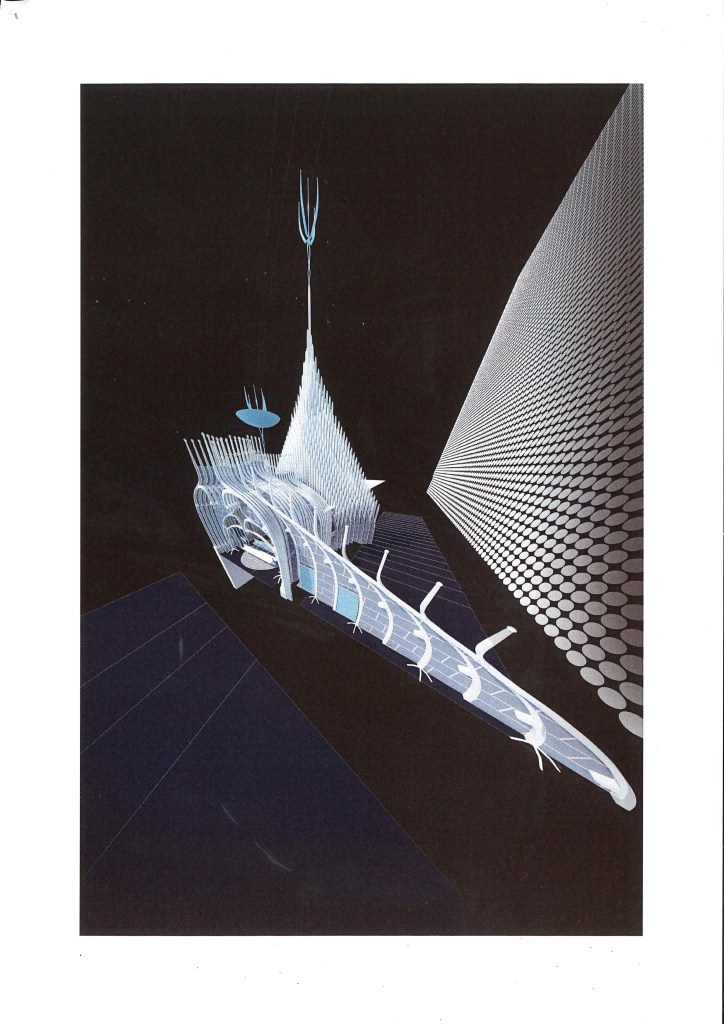
Simultaneously, by observing a life defined entirely by divorce, studio participants will be tasked with imagining the kinds of spatial practices necessary to intrude into the implied authority of educational institutions, and circulatory concepts that might assemble others.
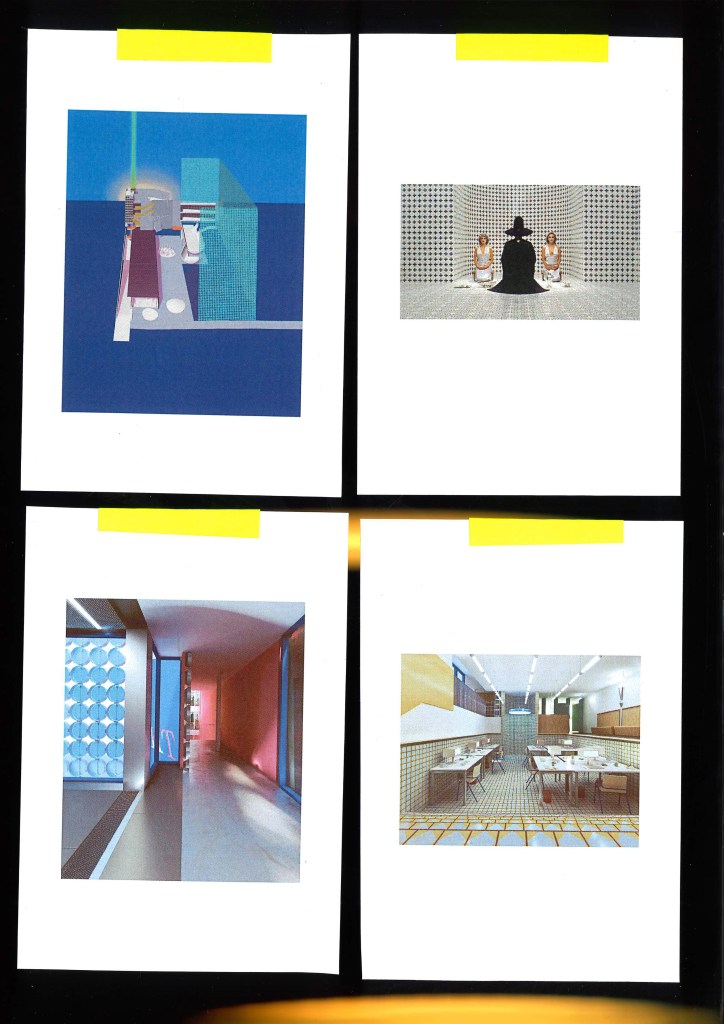
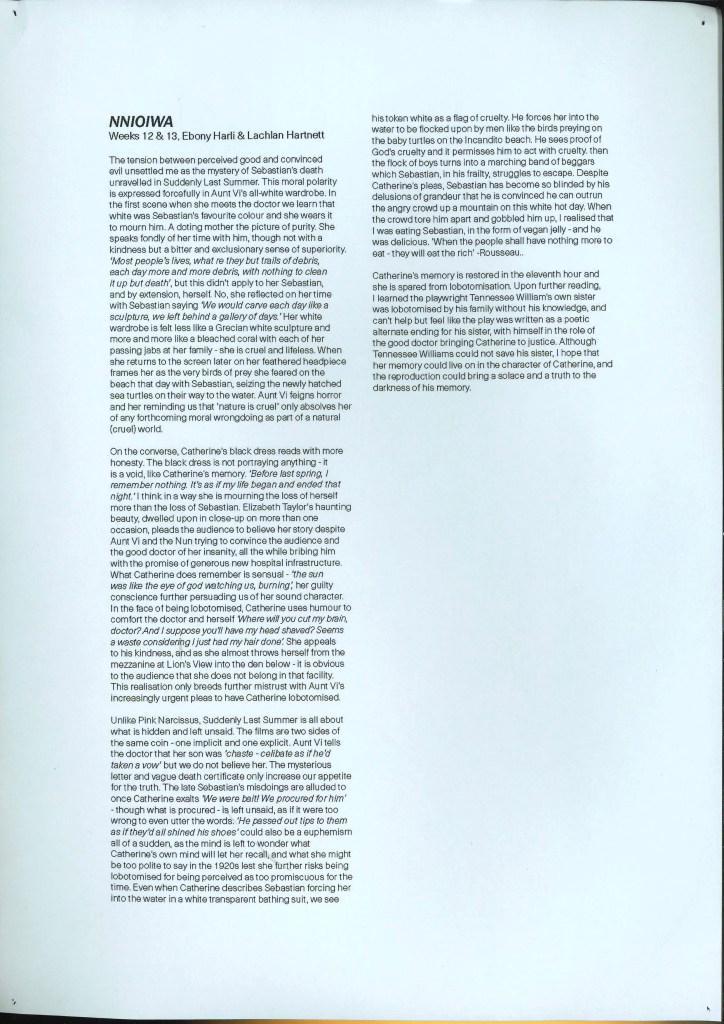
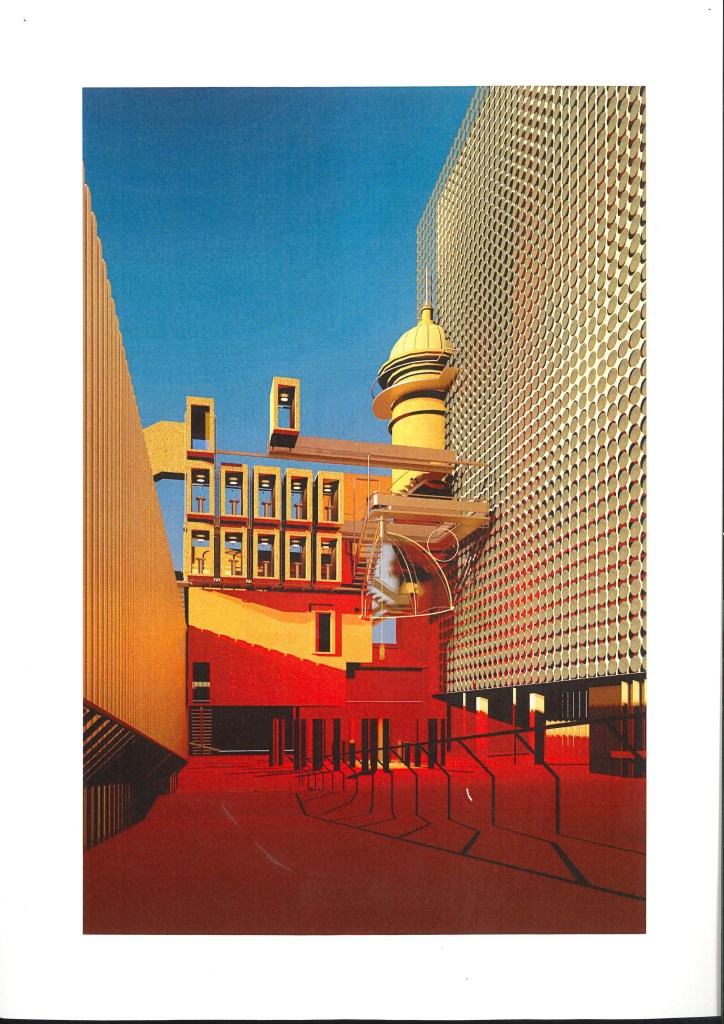
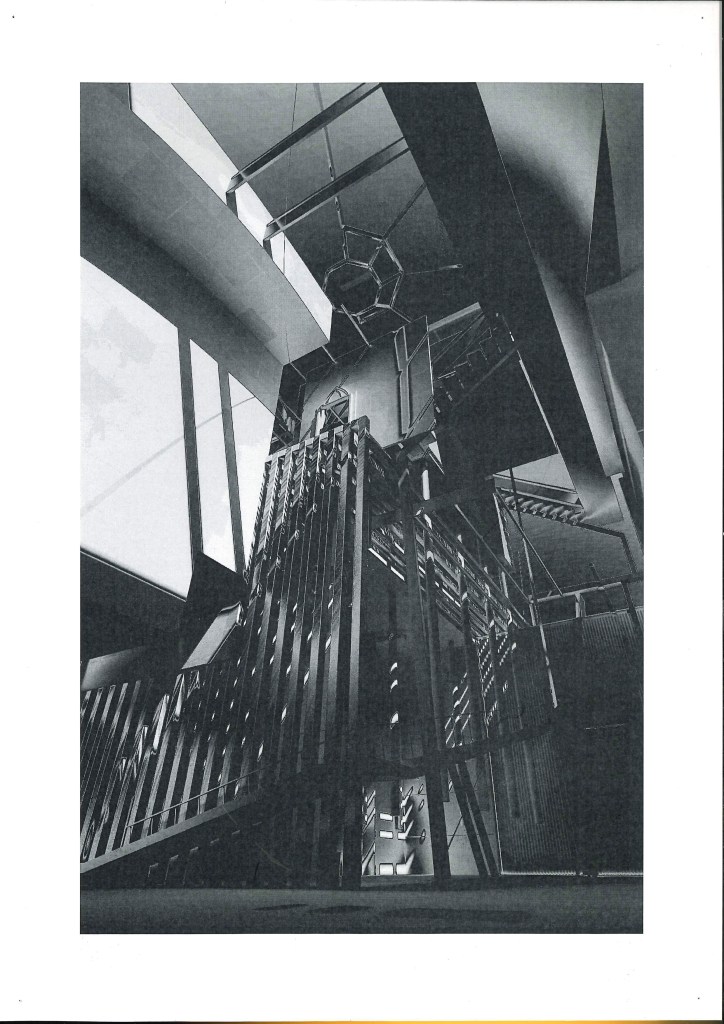
End of Semester Exhibition
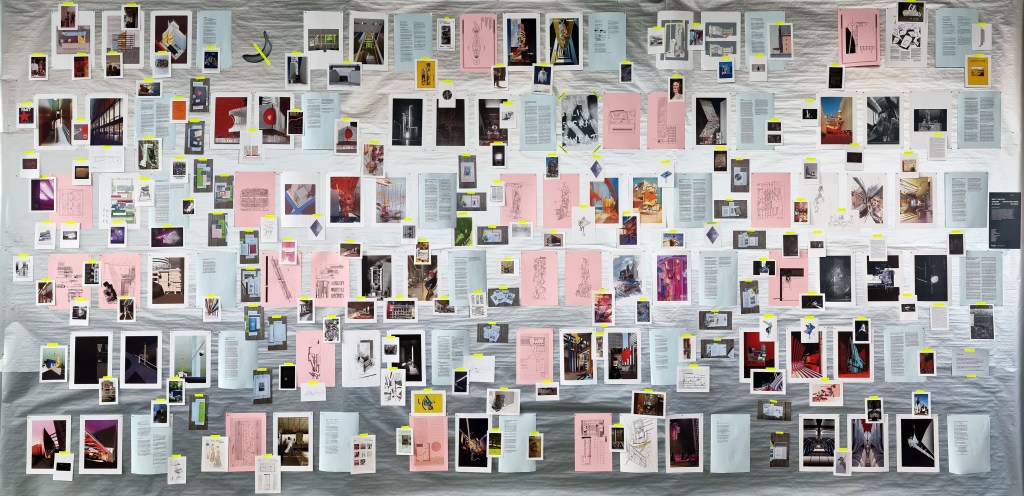

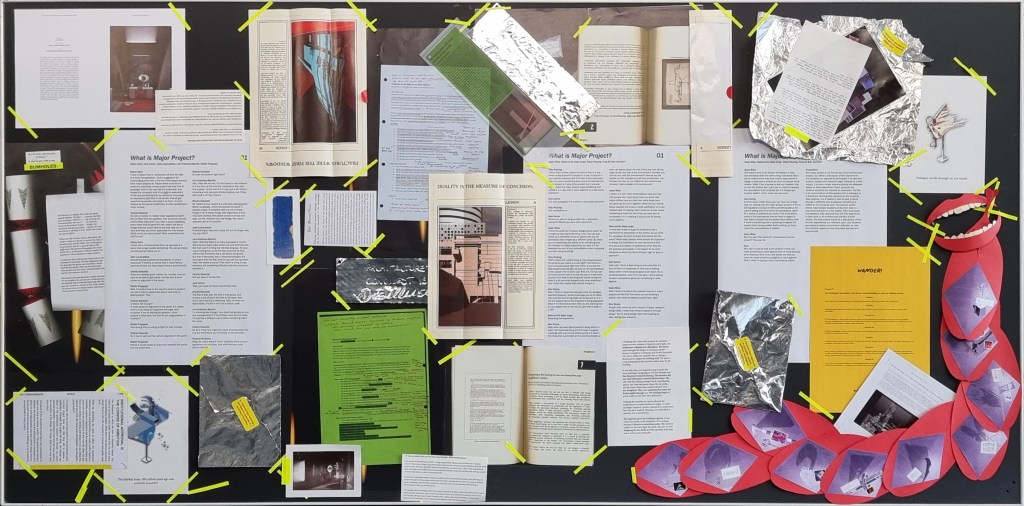
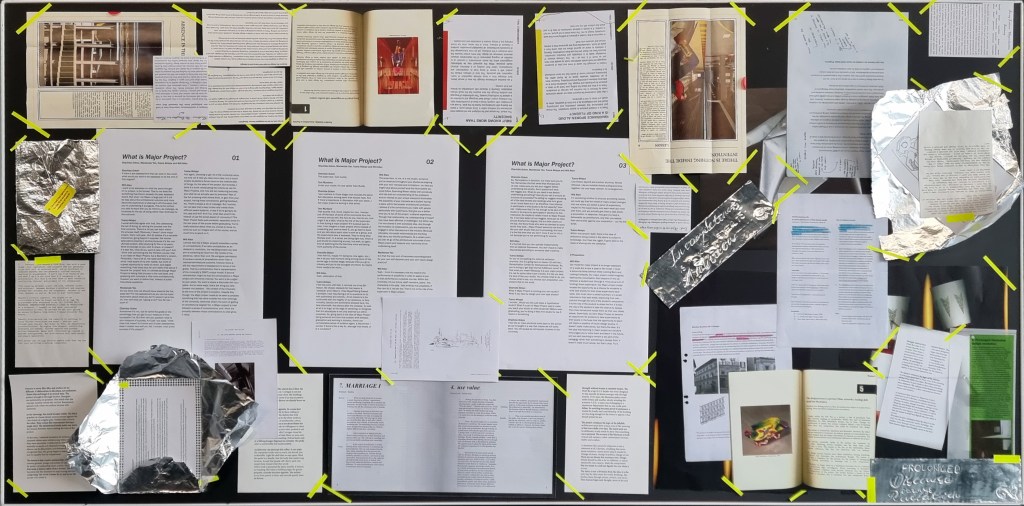
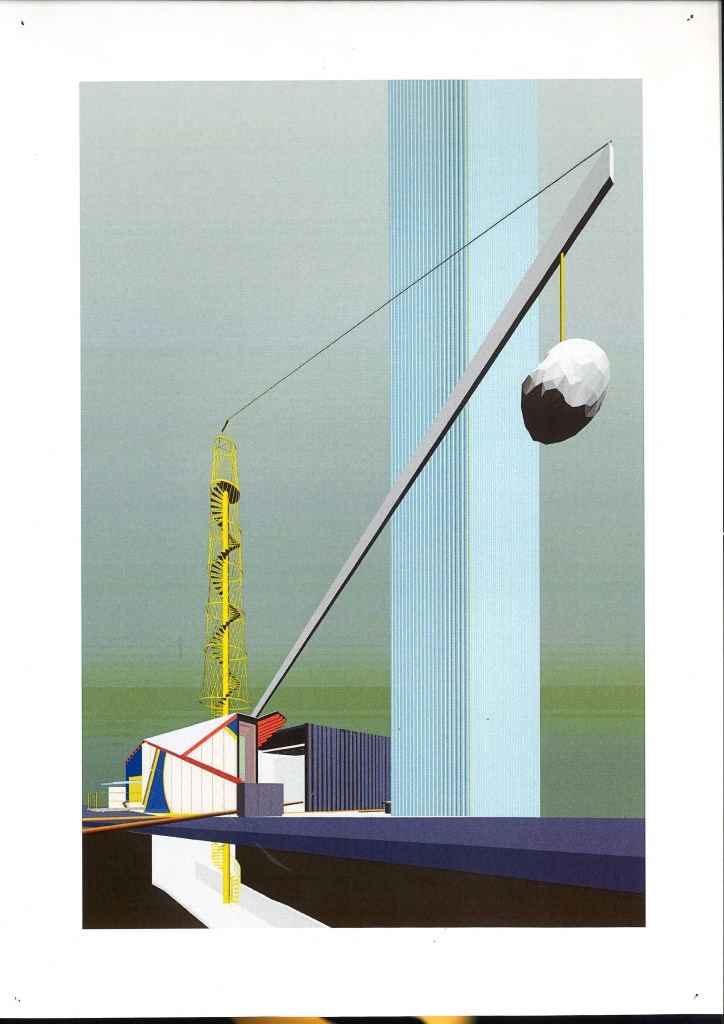
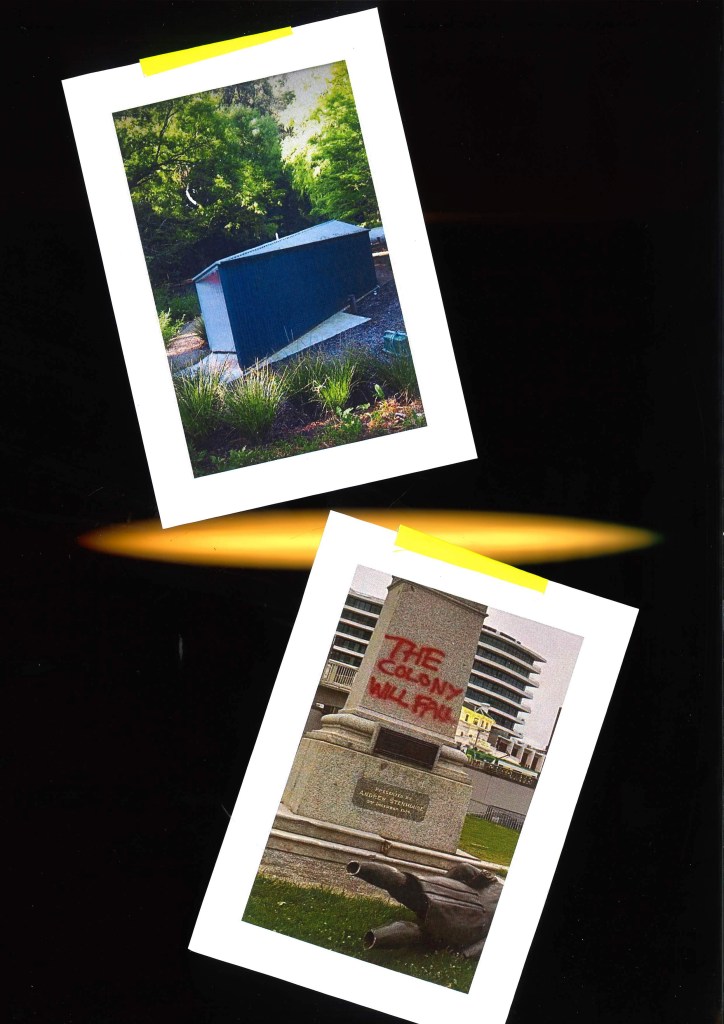
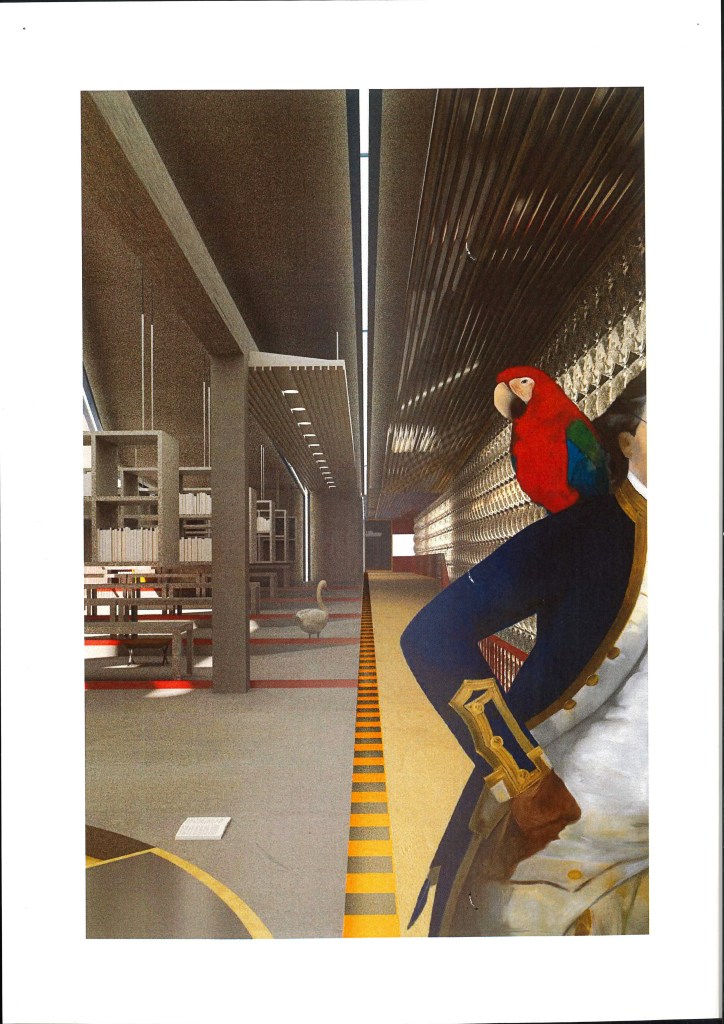
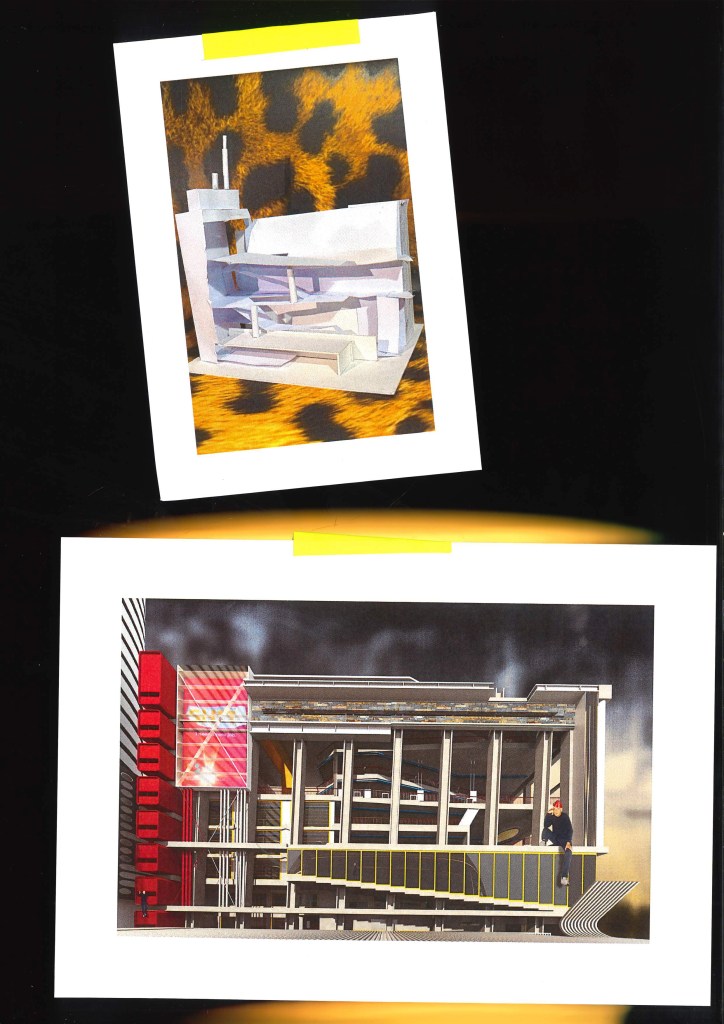
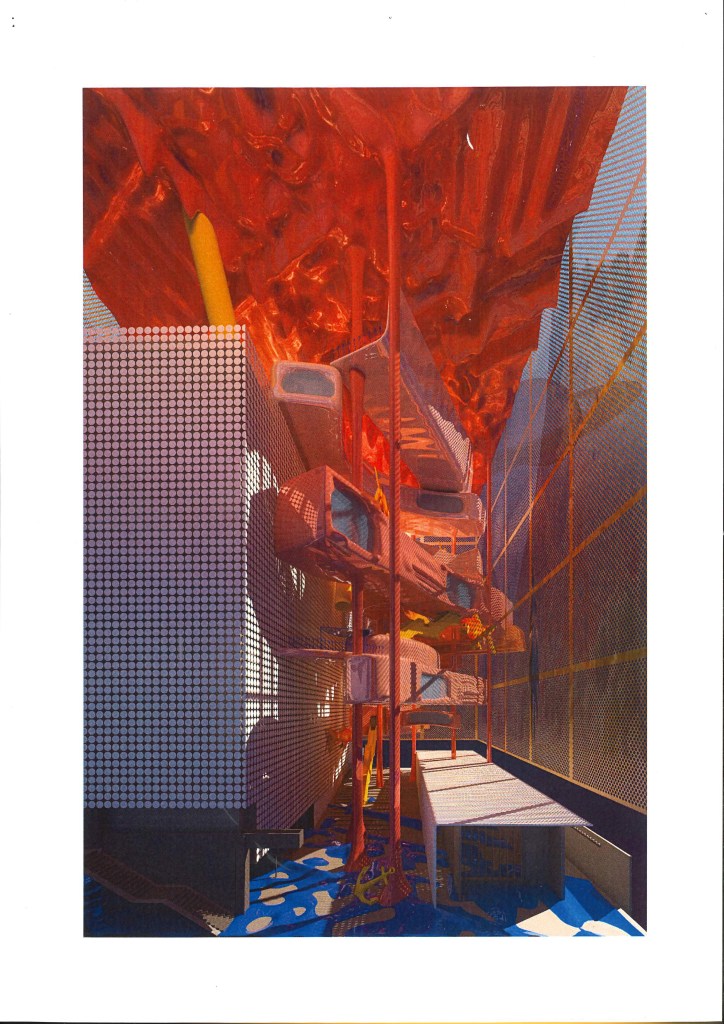
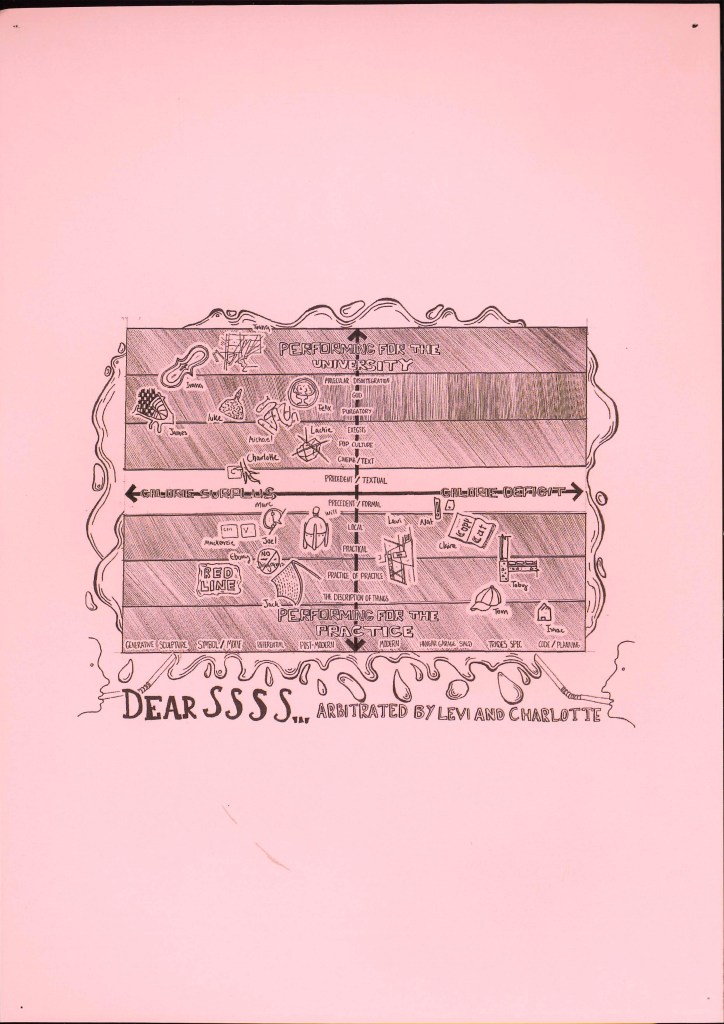
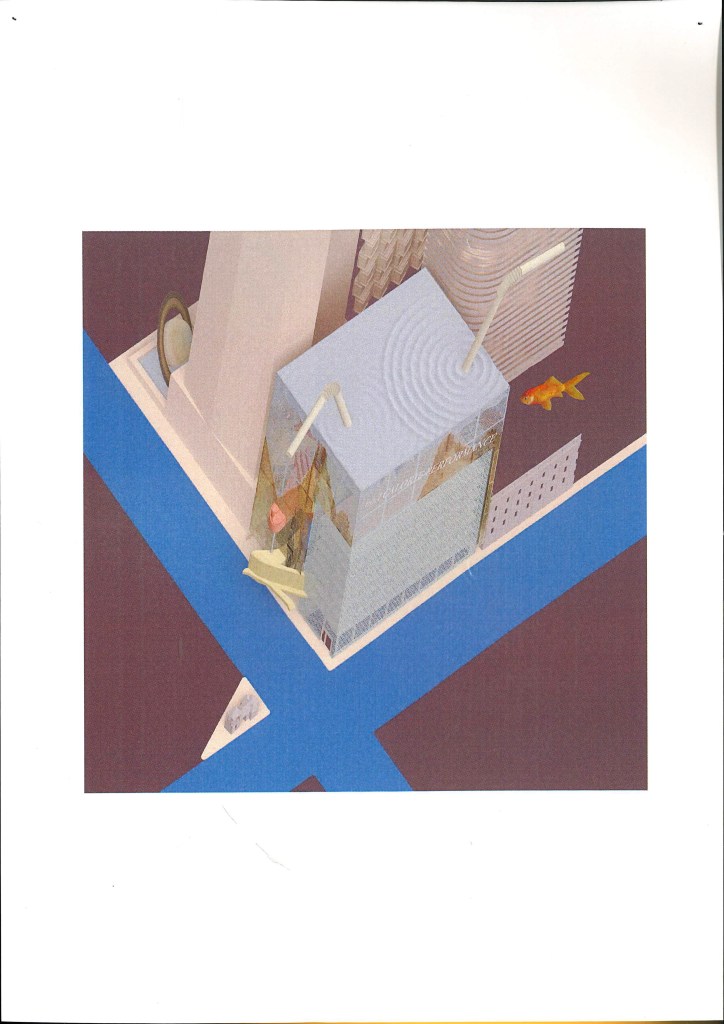
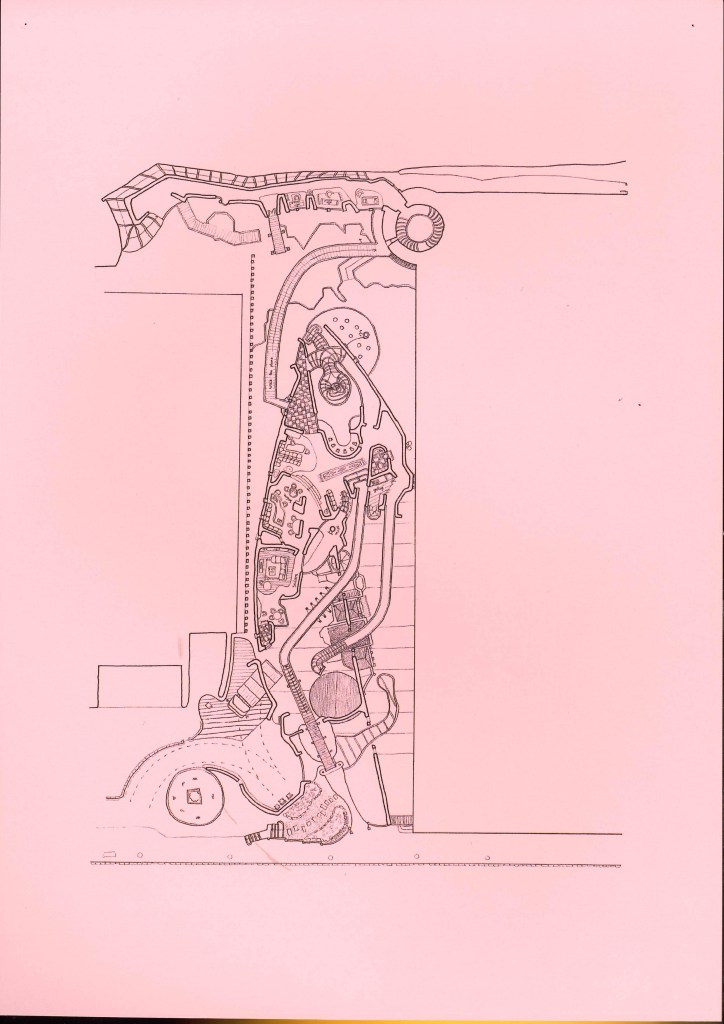
End of Semester Exhibition detritus …..








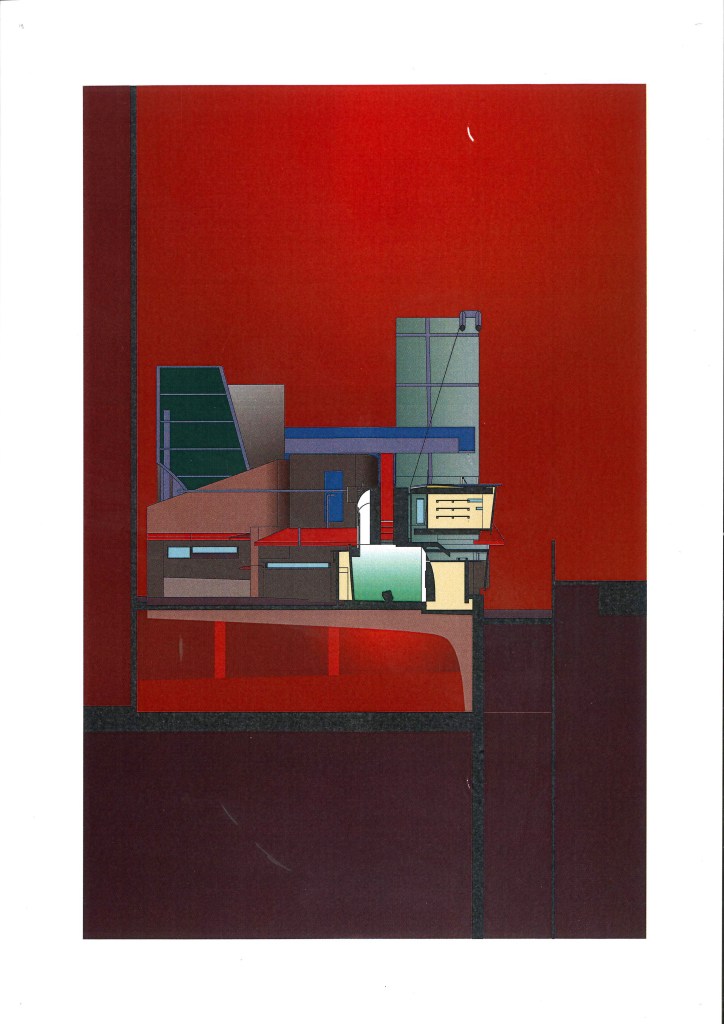

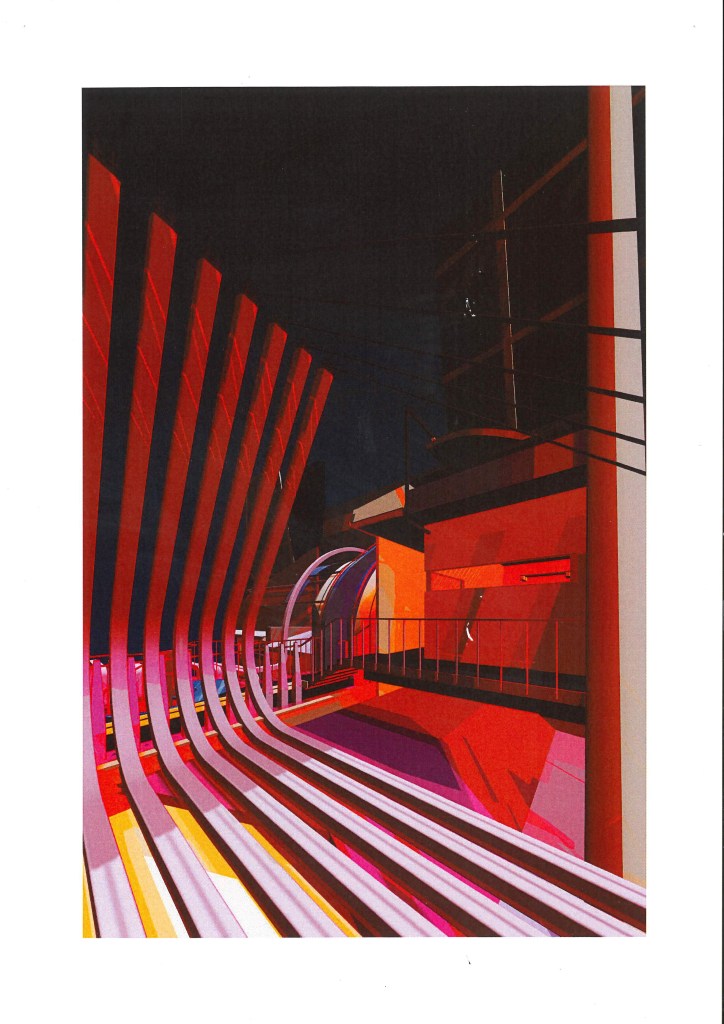

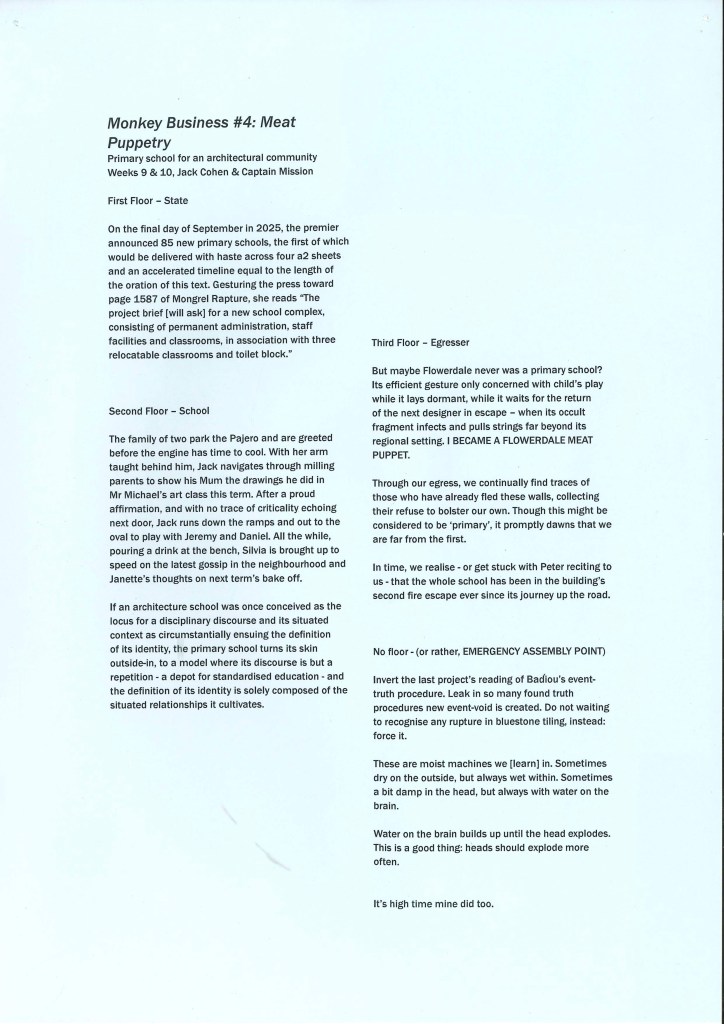
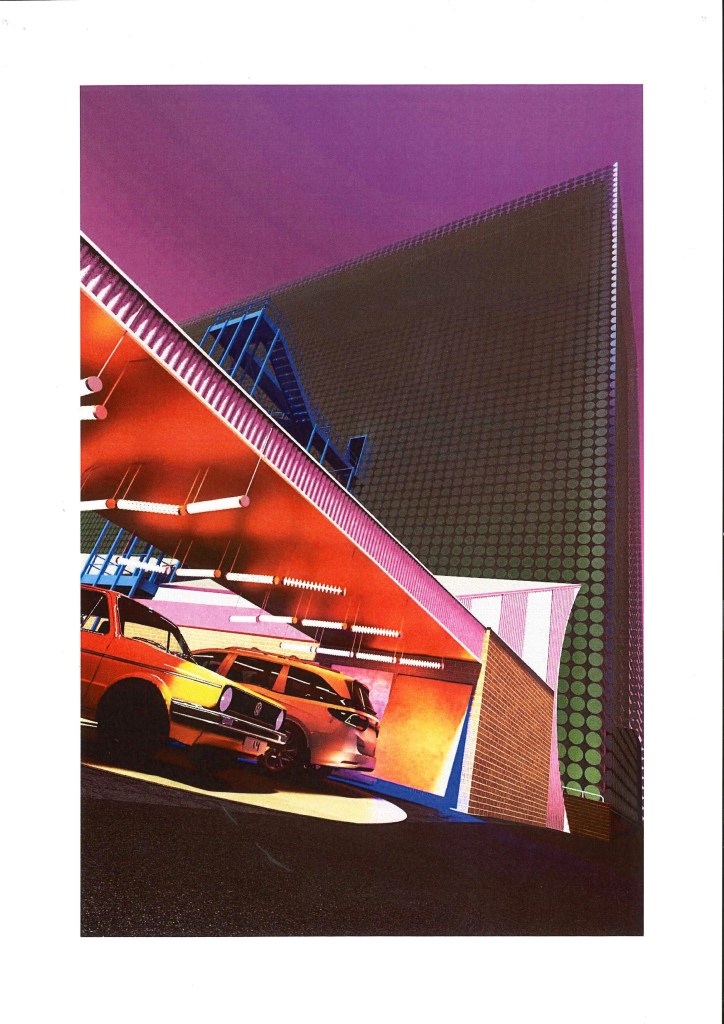






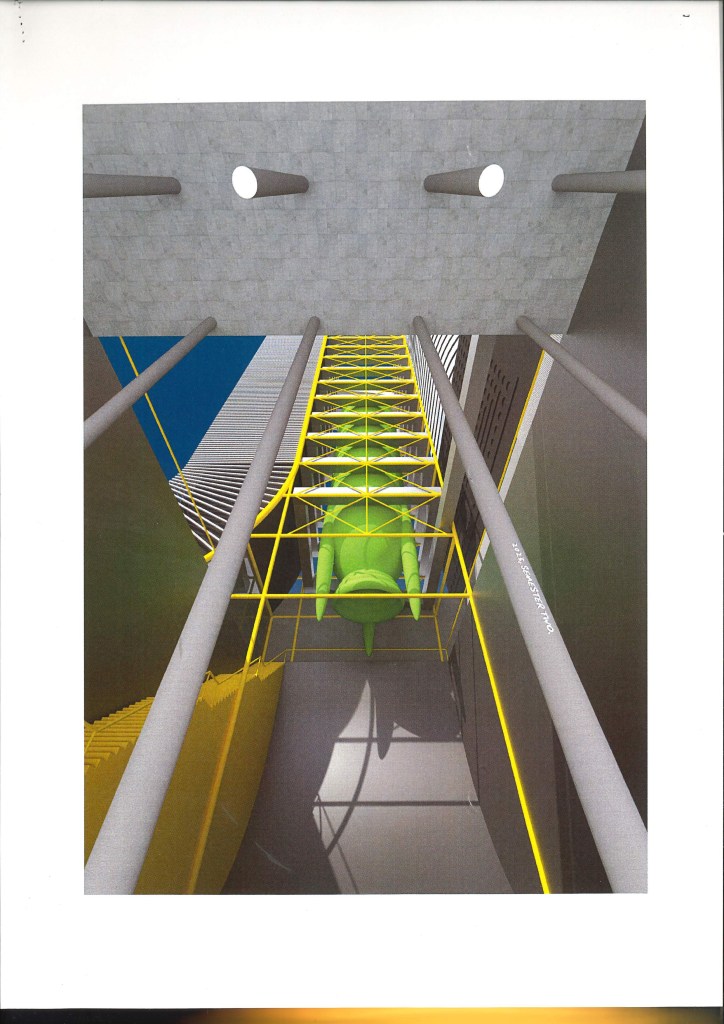


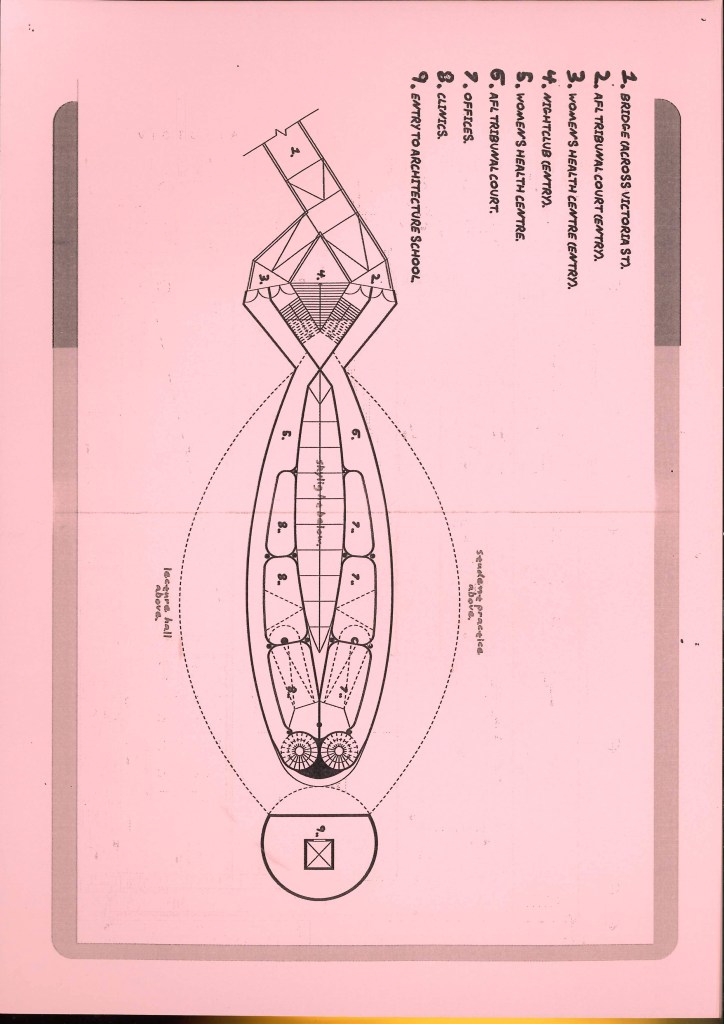


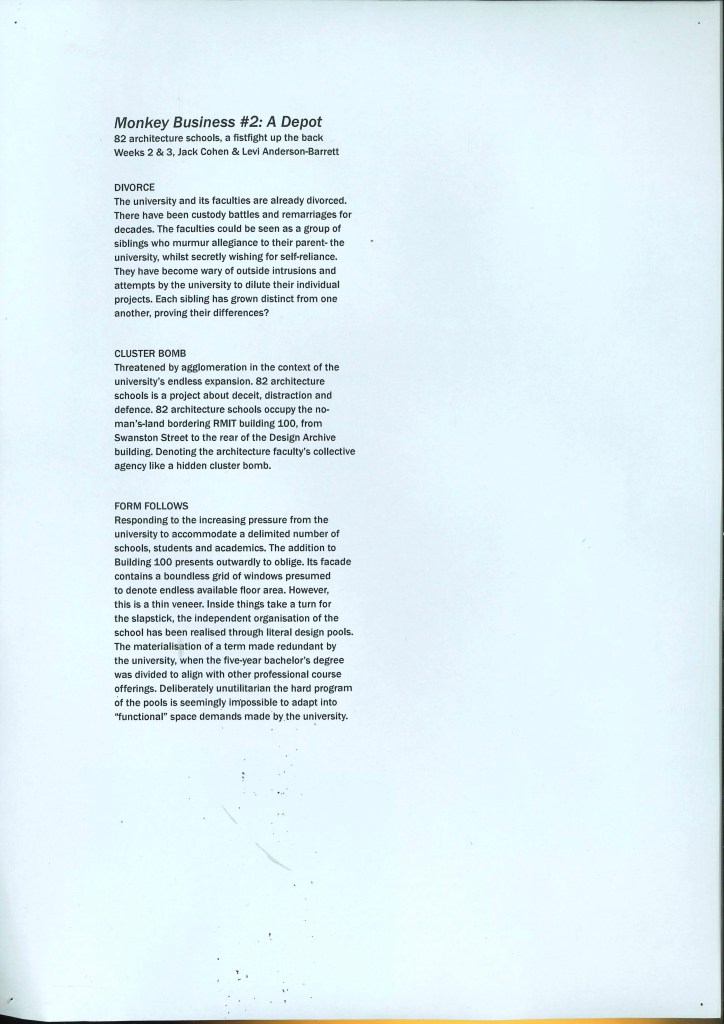
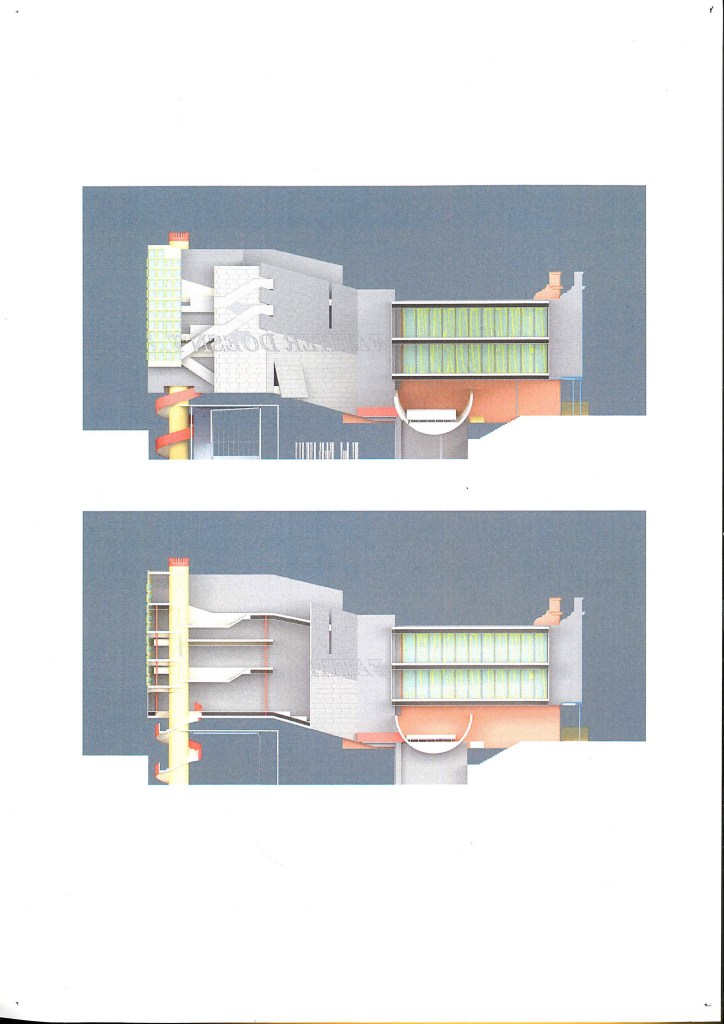





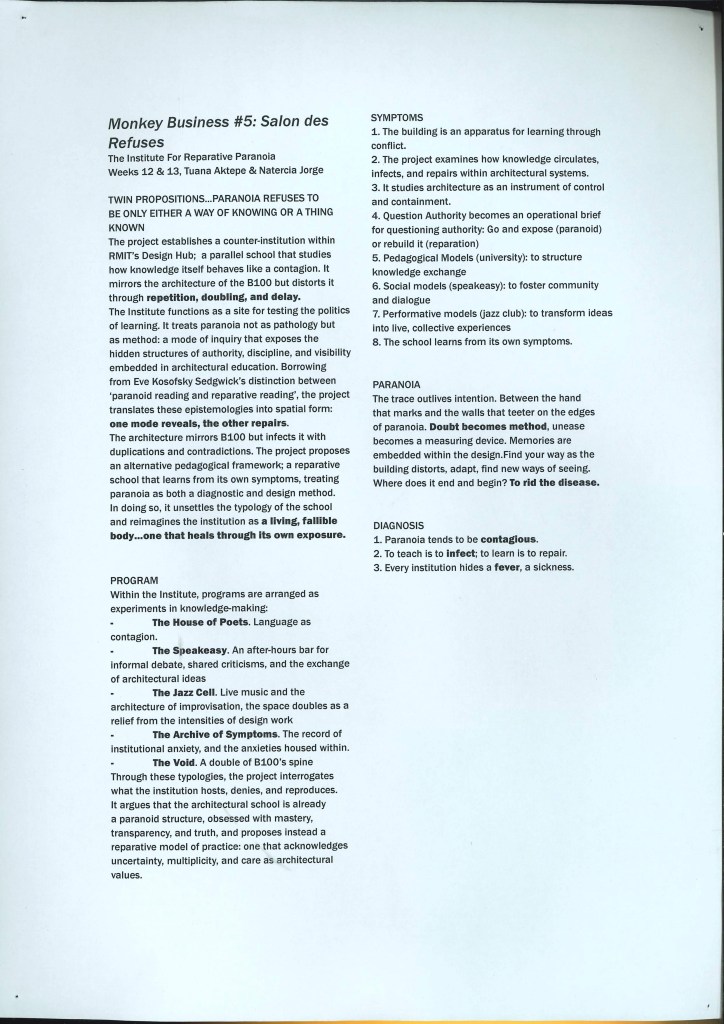
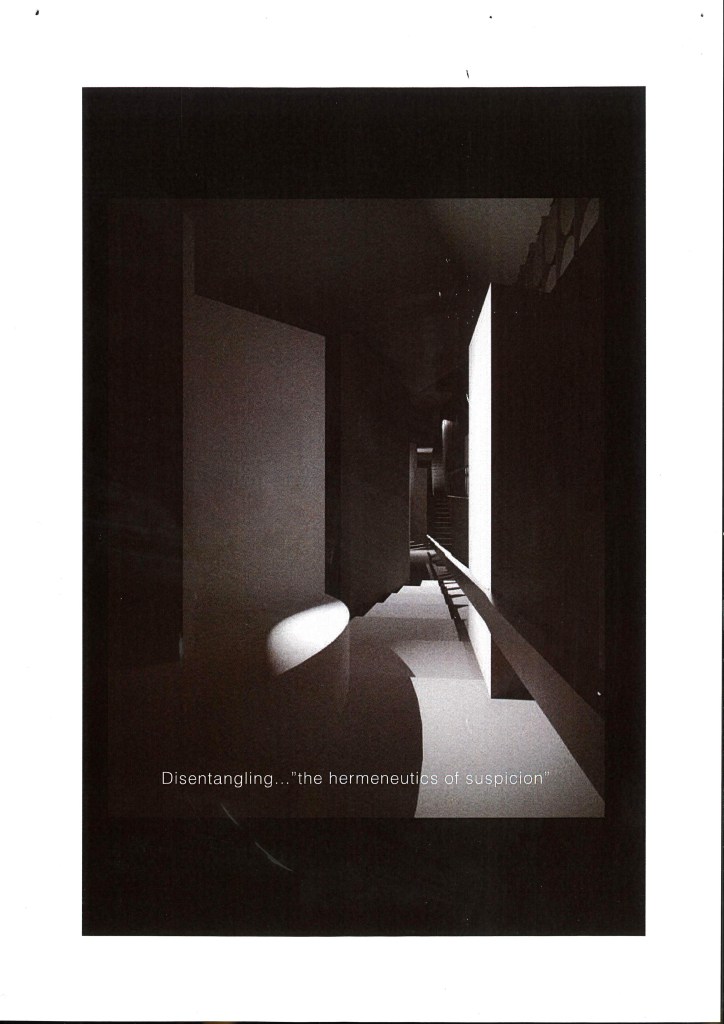
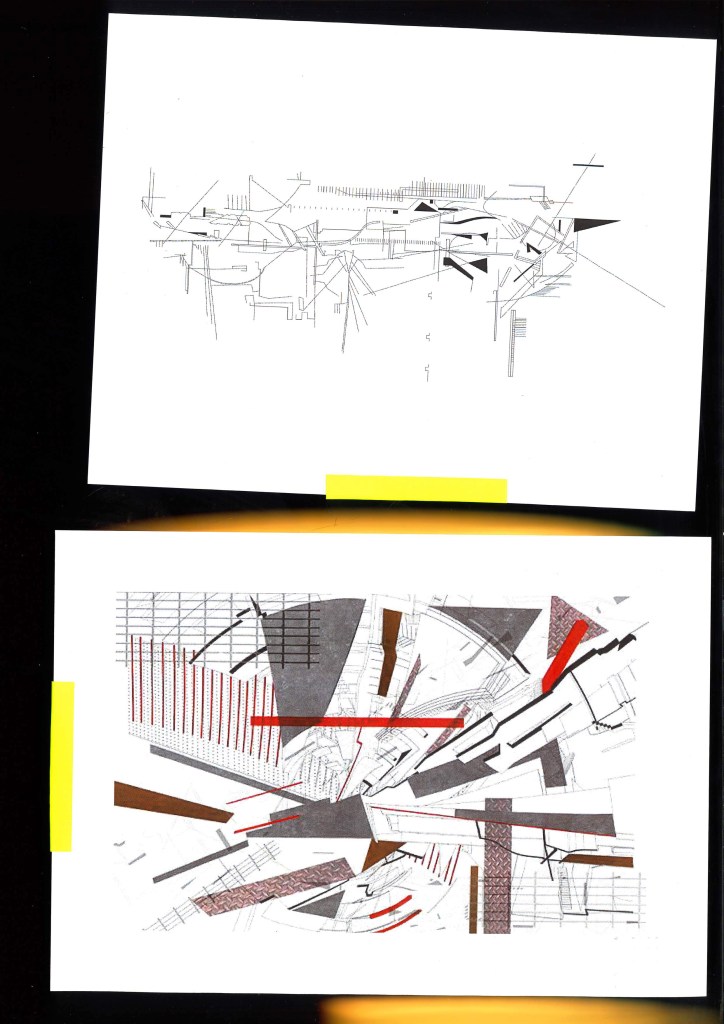

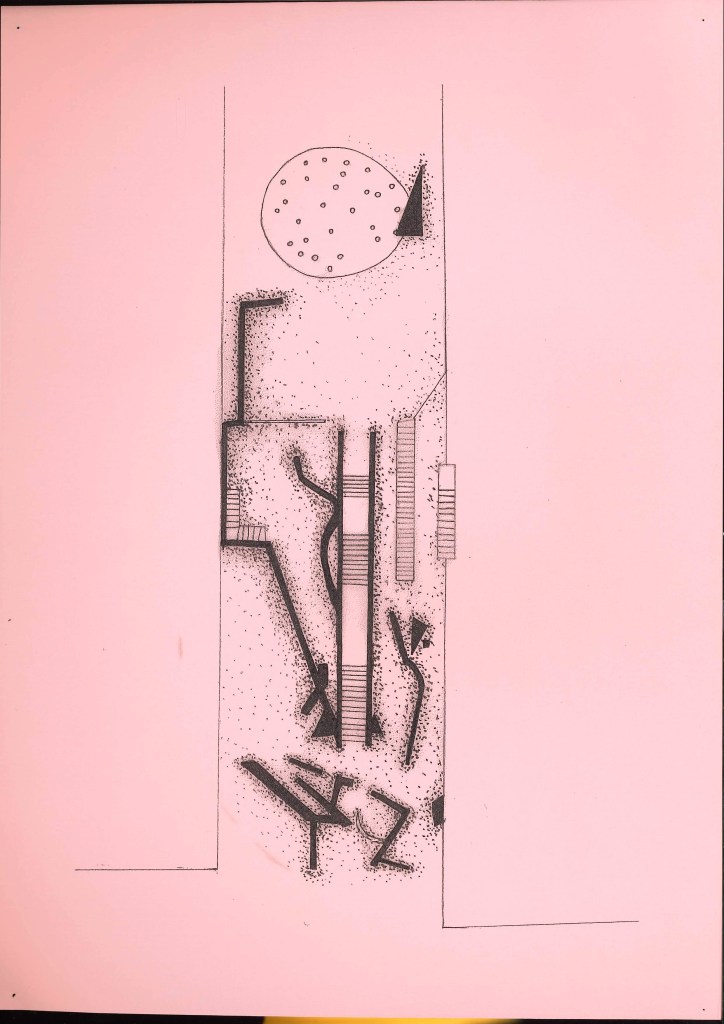













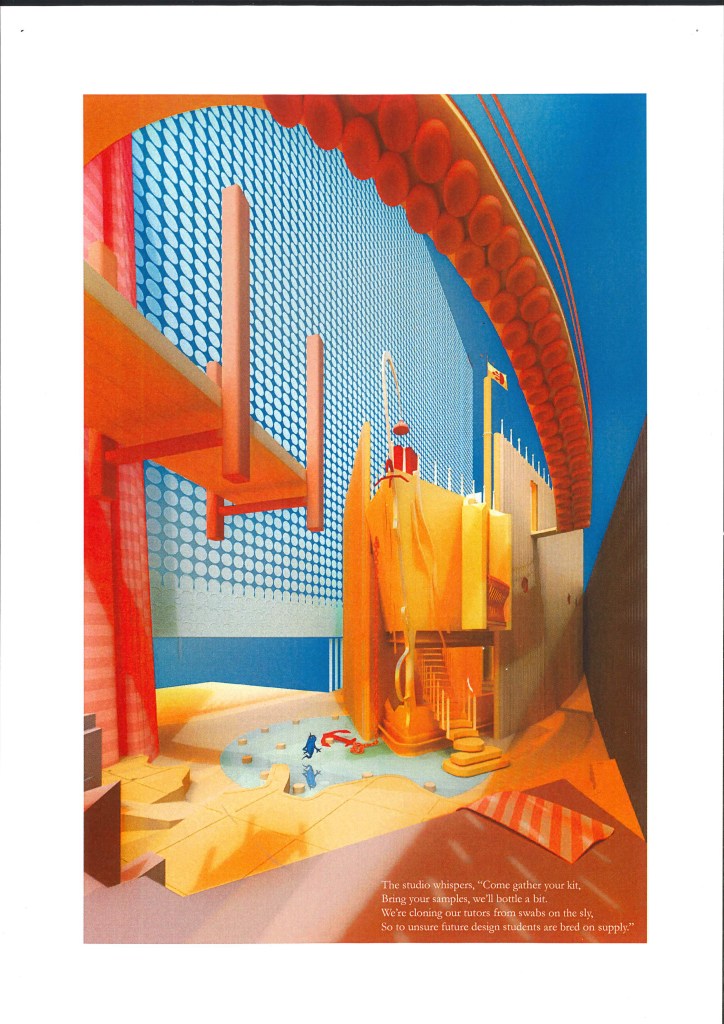


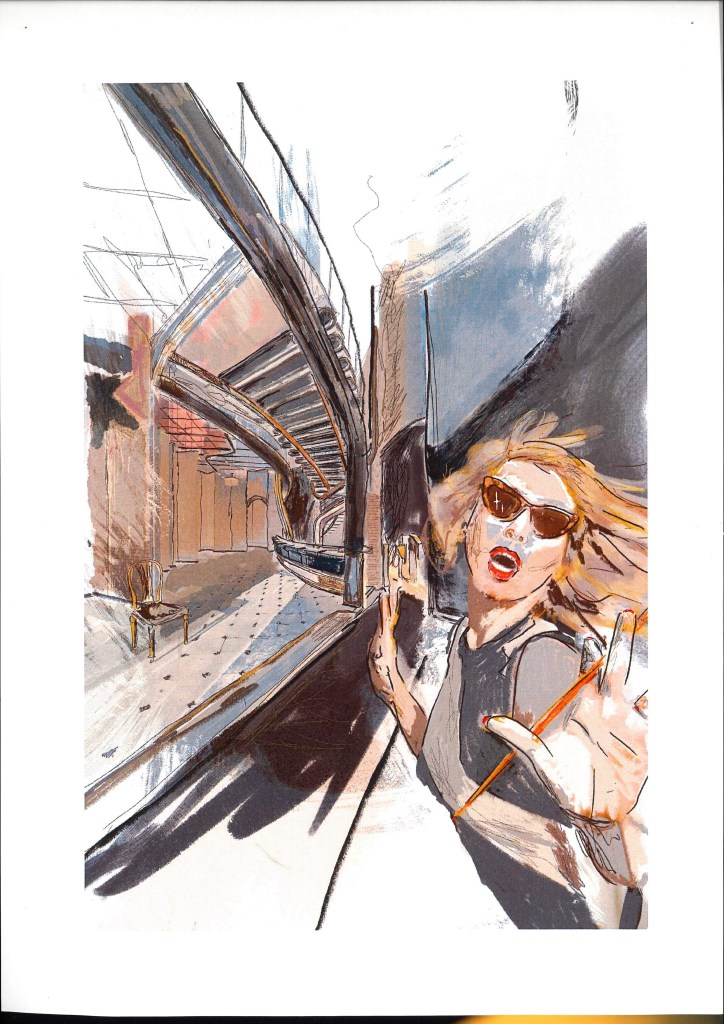
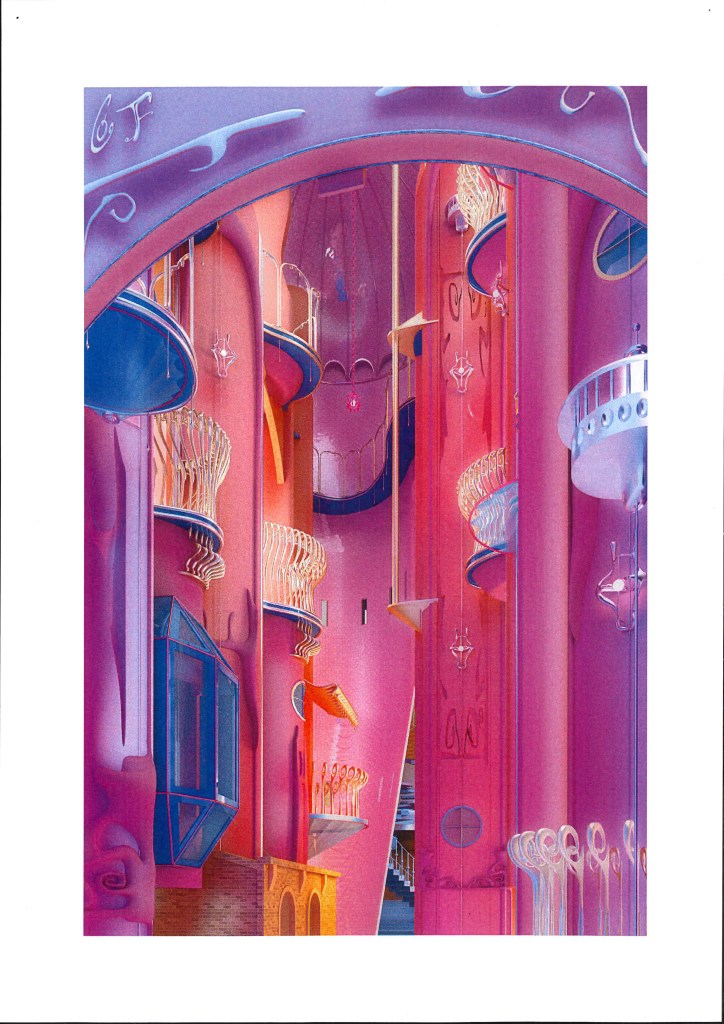






 thexhausted.com