A Camel is a Horse Designed by Committee
RMIT University Master of Architecture Graduate Project 2019
Supervisor: Michael Spooner
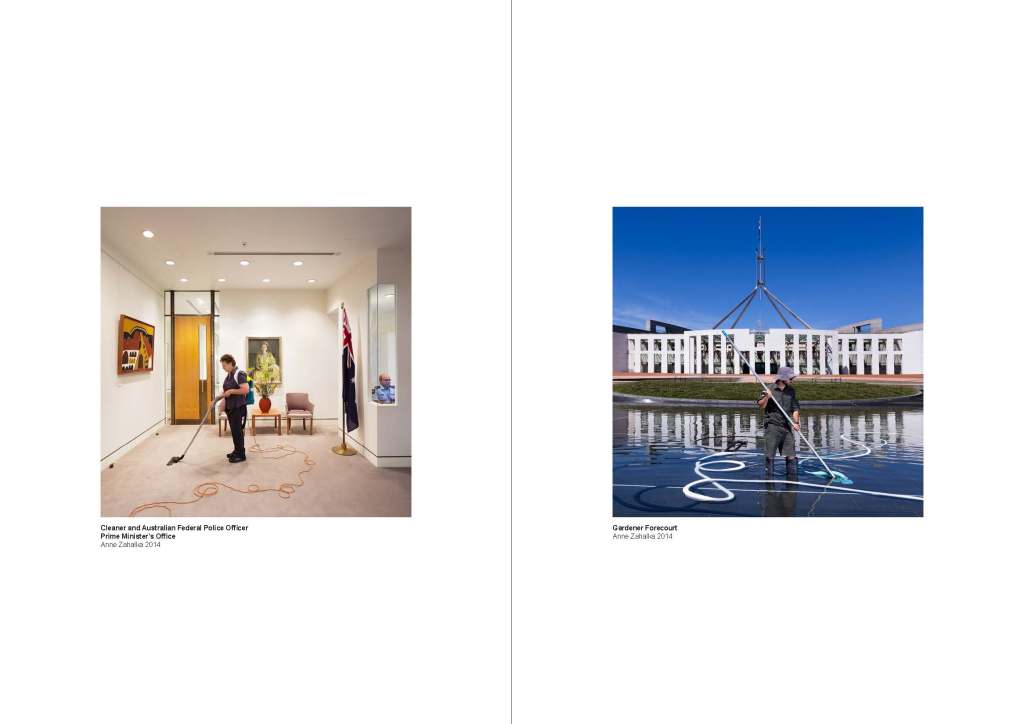
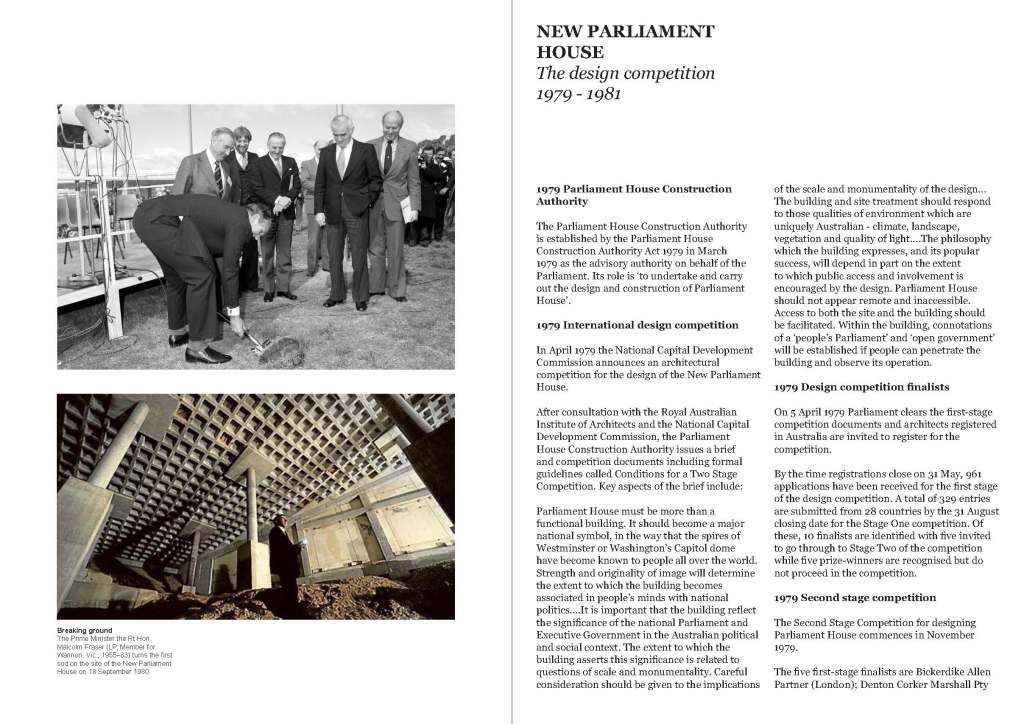
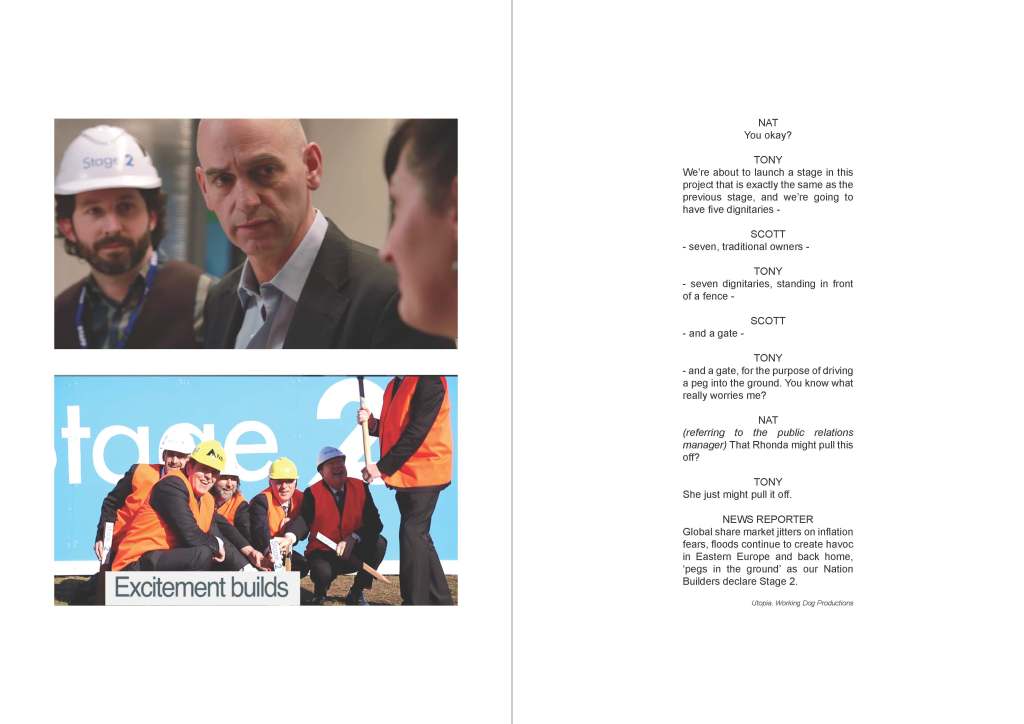
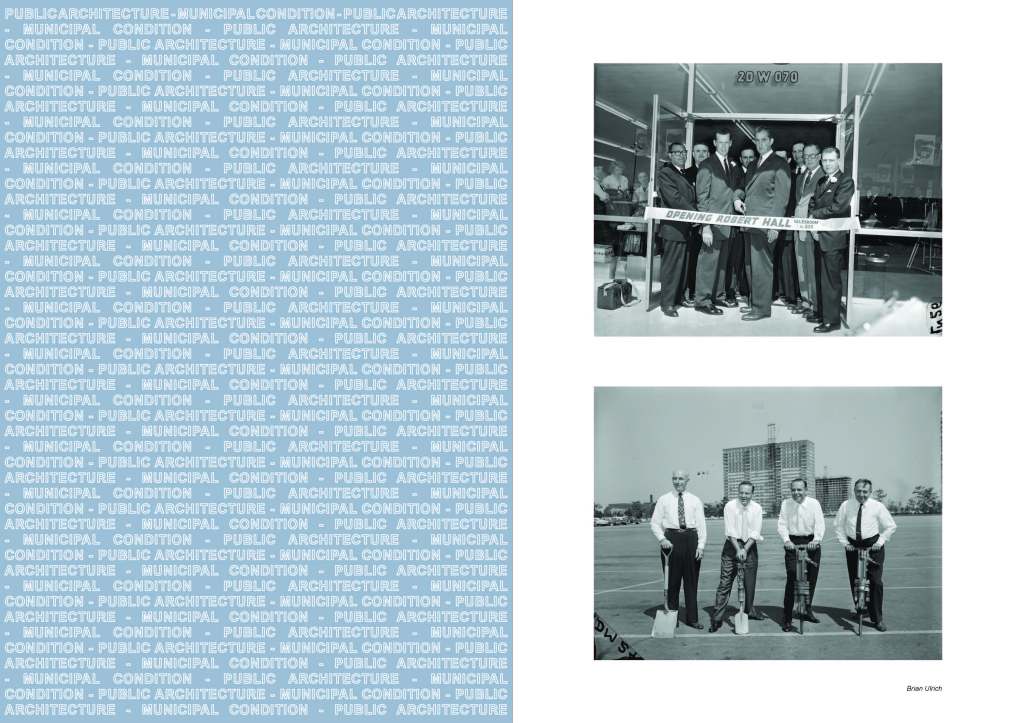
Every day, dignitaries assemble in front of cyclone fences to drive yet another survey peg into untouched soil, setting the stage for an event that is, in essence, a repeat of the previous one. It makes the 6 o’clock news alongside global share market fluctuations and floods in Northern Queensland. Nation building is presented as groundbreaking, and groundbreaking as nation building; yet, New Parliament House still stands atop a vast, unfinished “cathedral” simply because the budget ran out.





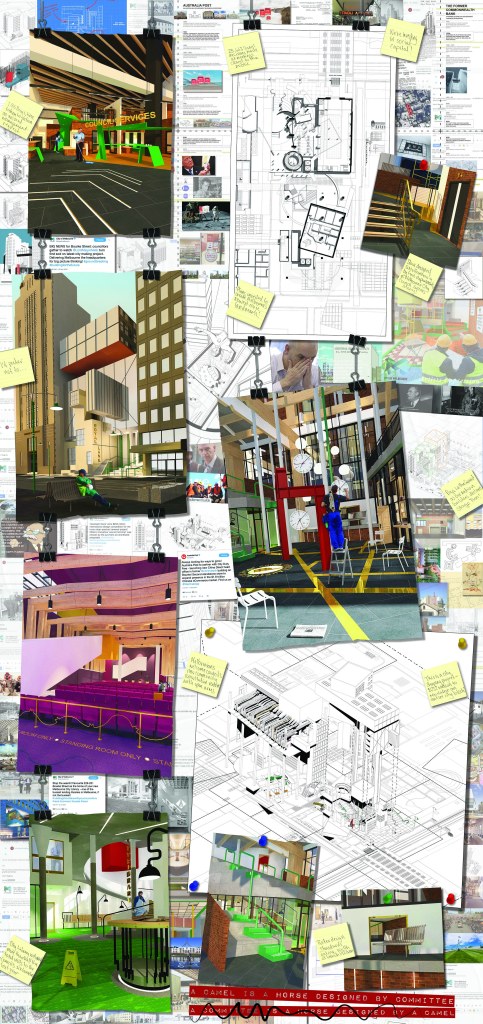
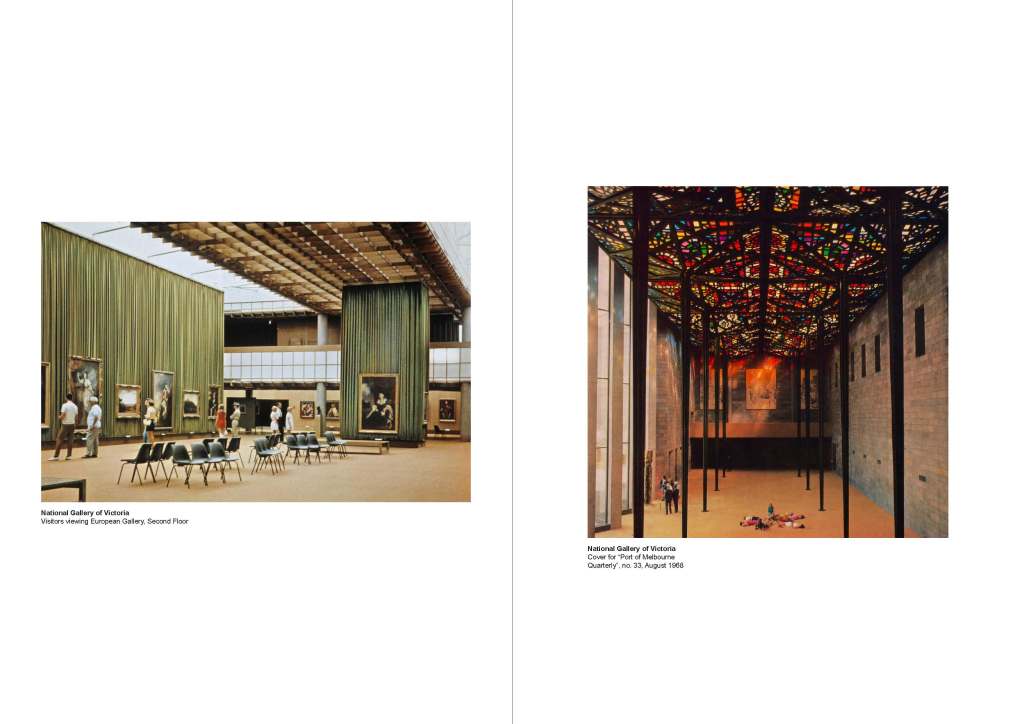
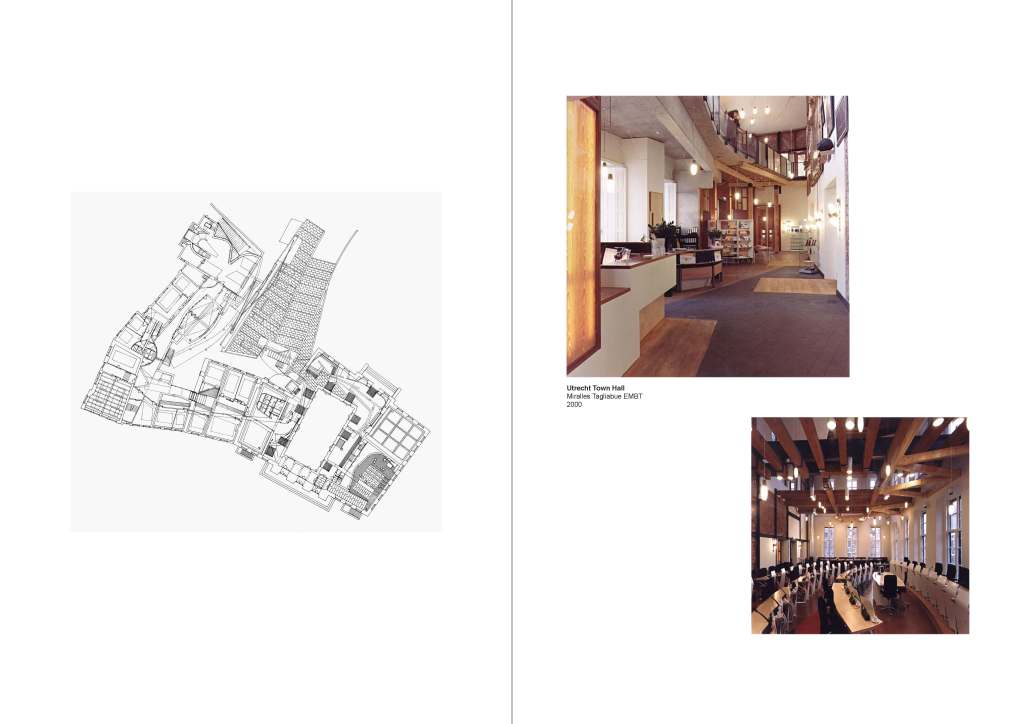
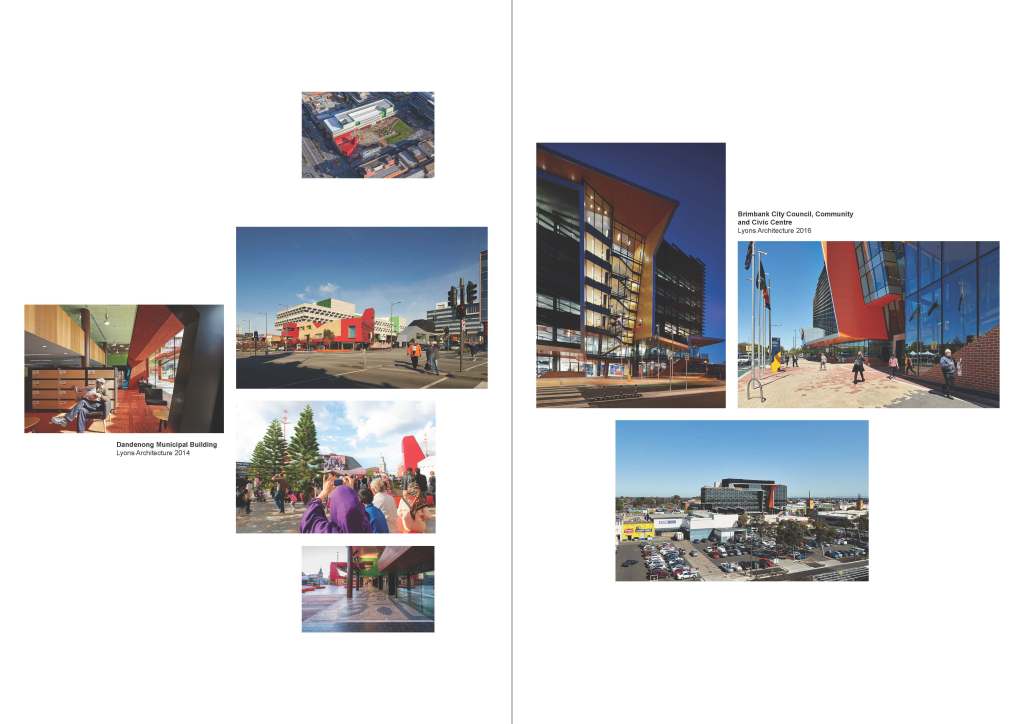
This project focuses on the procurement of public architecture, using the bureaucratic condition not merely as a hurdle but as a mechanism to create a self-propagating architecture that is inherently public. I have proposed a strategic plan for the extension, alteration, and addition to the future and former offices of the Melbourne City Council. This plan remains resolutely optimistic, aiming to make a positive contribution to the discipline. Architecture operates within the bureaucratic framework, an inescapable condition that we could engage with more creatively. The goal of this project is to recognise and embrace the often-overlooked opportunities within this framework and to celebrate the absurdity that highlights our inherent human fallibility.


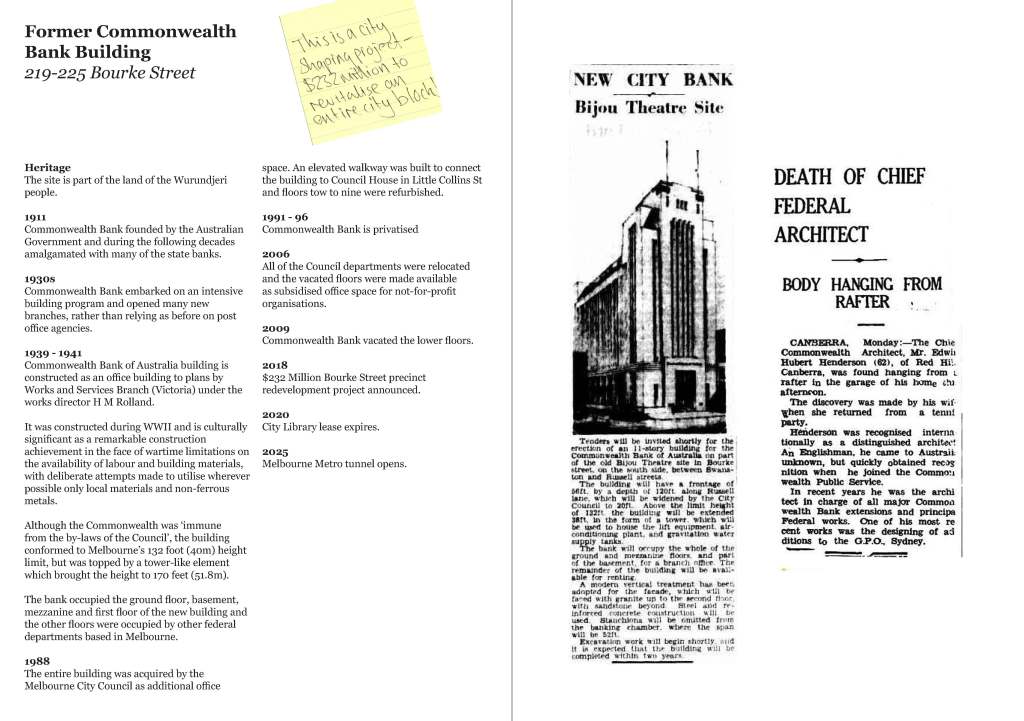
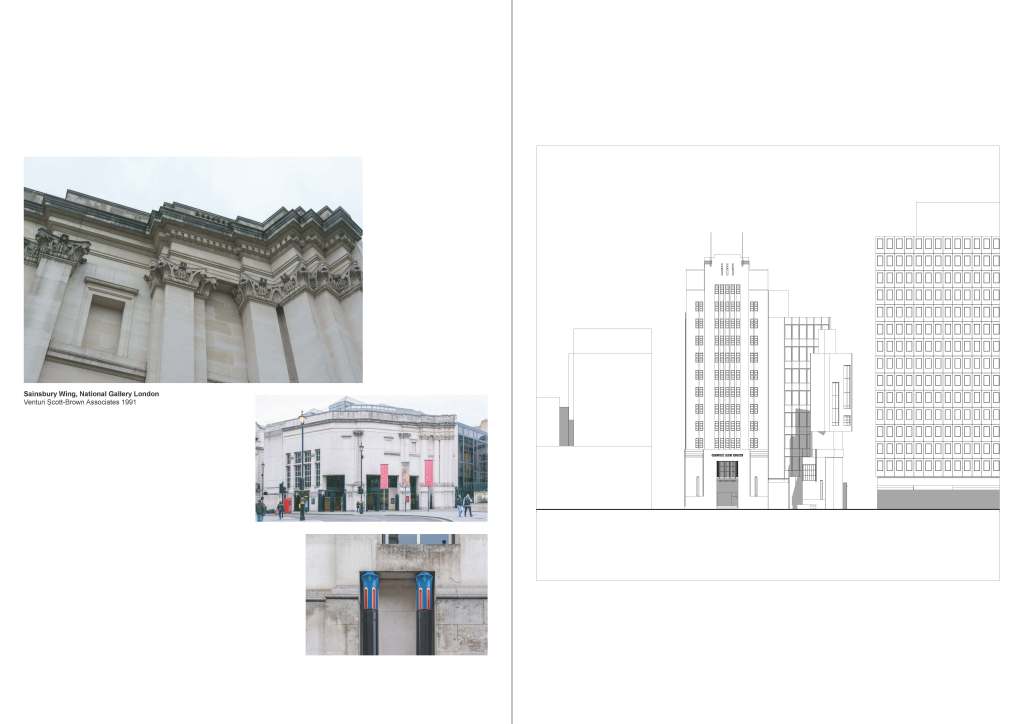
The site, located on Bourke Street just one block east of Swanston Street, has served as a catalyst for exploring the often-bewildering legacy of the public interface with municipal services. The history of Australia Post highlights a government business enterprise responsible for many of the nation’s most iconic clock towers, the 2019 Great Aussie Coin Hunt, and more recently, Australia Post China Direct—a controversial yet strategic service enabling shoppers to buy and send products, such as baby formula, exclusively to China. Similarly, the Commonwealth Bank, a former government business enterprise, was once reliant on Australia Post before embarking on an extensive branch building programme in the 1930s. A significant building of this era, located on the site, was acquired by Melbourne City Council in the late 1980s and connected via a skybridge to Council House 1 on Little Collins Street. However, for the past five years, City Duty Free has occupied the lower floors of this sandstone monolith. Once a building focused on capturing the nation’s identity, it now houses a stateless enterprise that bears an uncanny resemblance to Australia Post’s latest venture. It seems as if the former Commonwealth Bank has returned to its municipal roots and could be considered a post office once more.



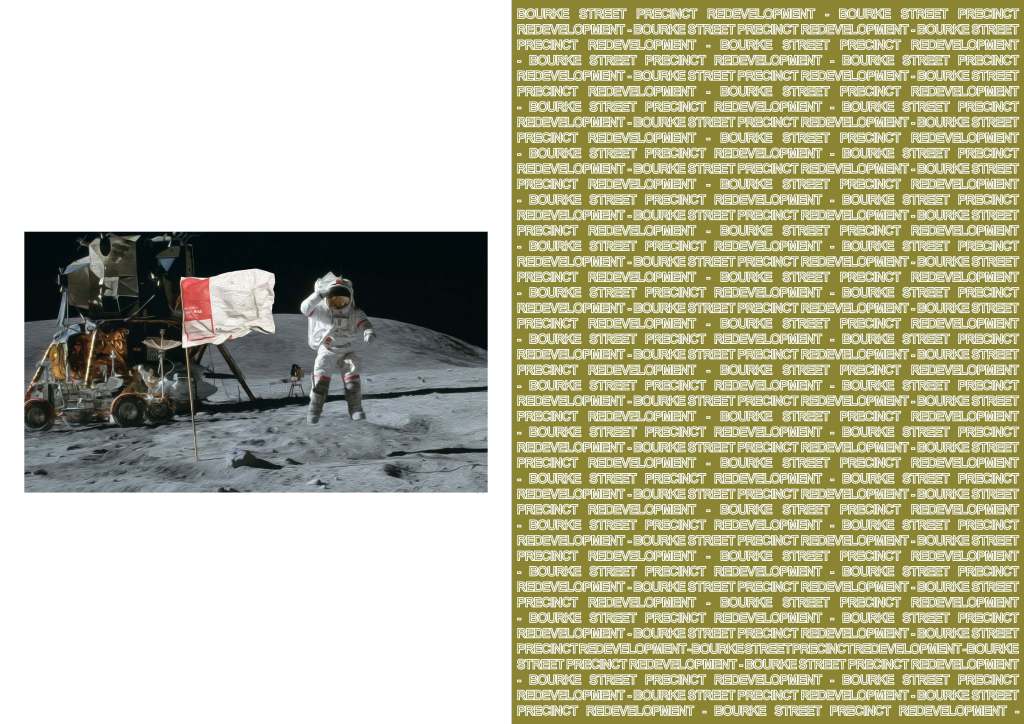
Reinforcing this municipal revival was the Lord Mayor’s announcement last year of a $232 million Bourke Street Precinct Redevelopment project, which coincided with President Trump’s launch of plans for an American Space Force, including a logo competition for his supporters. Council offices and a public common were highlighted in Sally Capp’s well-publicised plans for “Melbourne’s Newest Civic Landmark.”
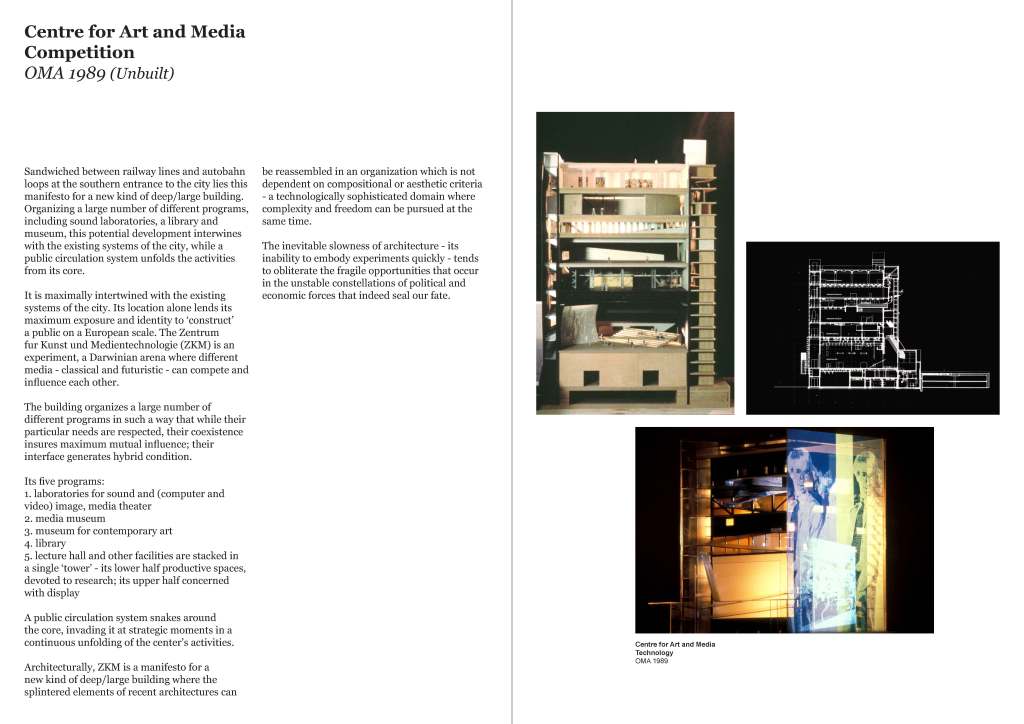
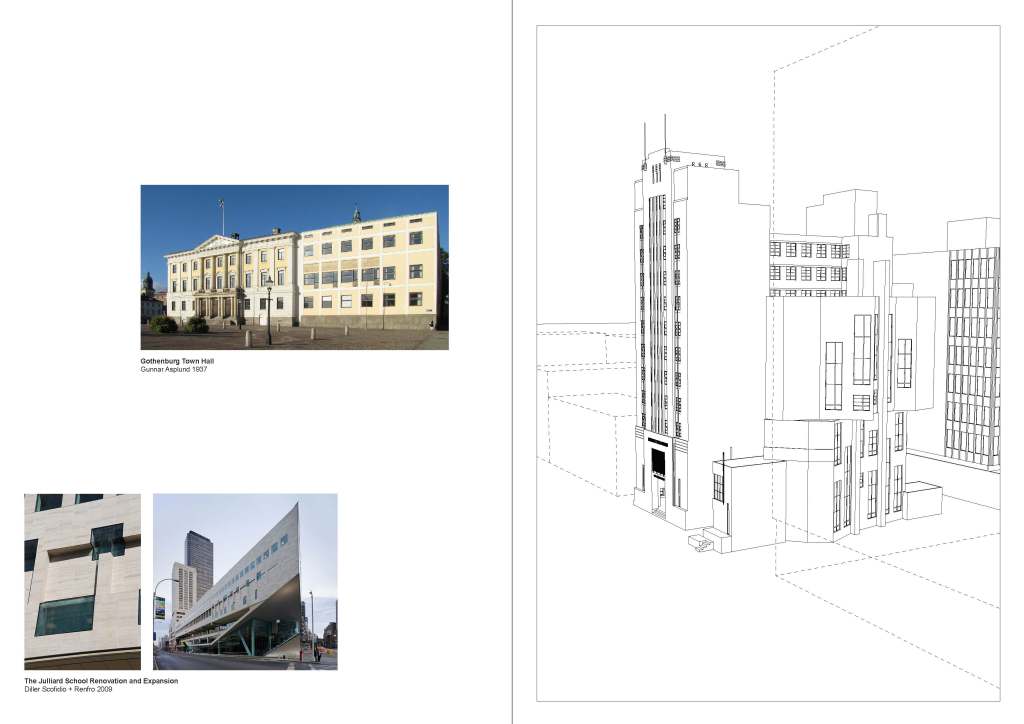
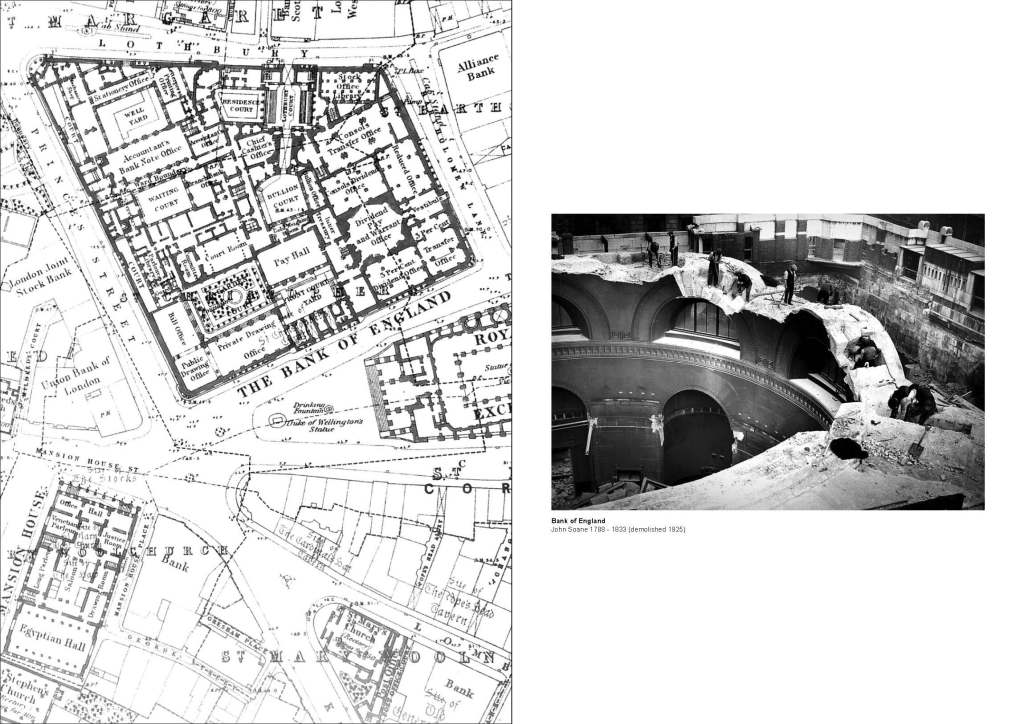
My project has reinterpreted this brief by acknowledging the instability of established typologies and exploring how the municipal condition might evolve in the future. It begins with a literal backdrop of architectural tests and presentations, driven by precedent case studies. Much like John Soane’s Bank of England, which was continuously expanded over 45 years before its demolition, this project is conceived as an aggregation of intersecting forms, unsubstantiated stages, pre-existing conditions, and unpredictable programmes. Moving beyond the constraints of land demarcation and bureaucratic red tape, this project has spent 15 weeks in pursuit of the council’s next big venture.







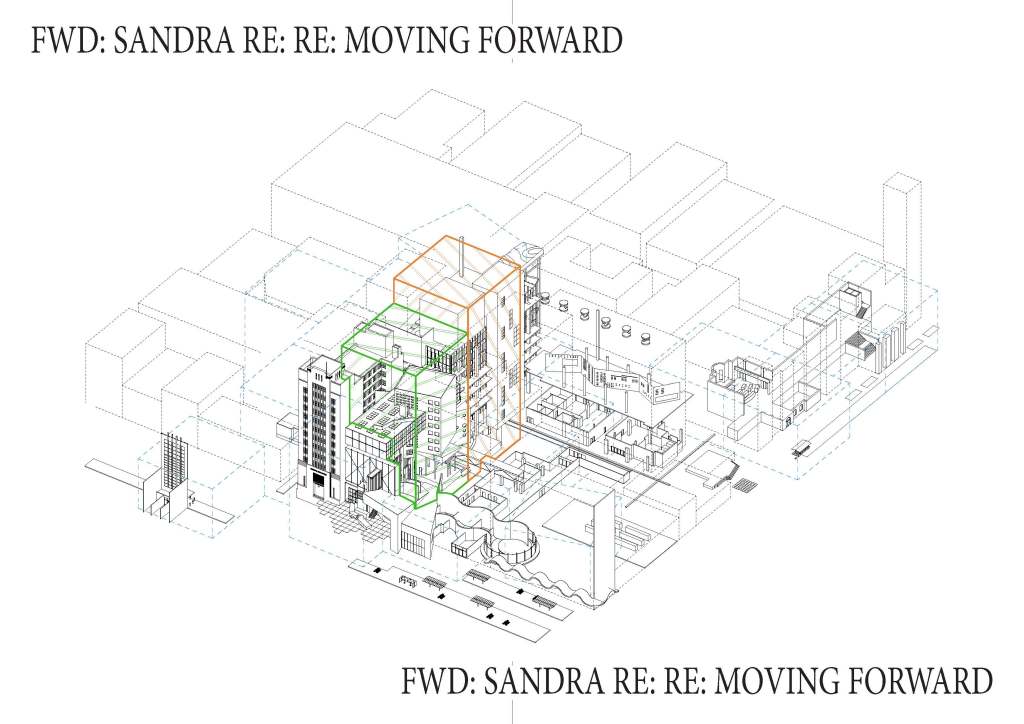

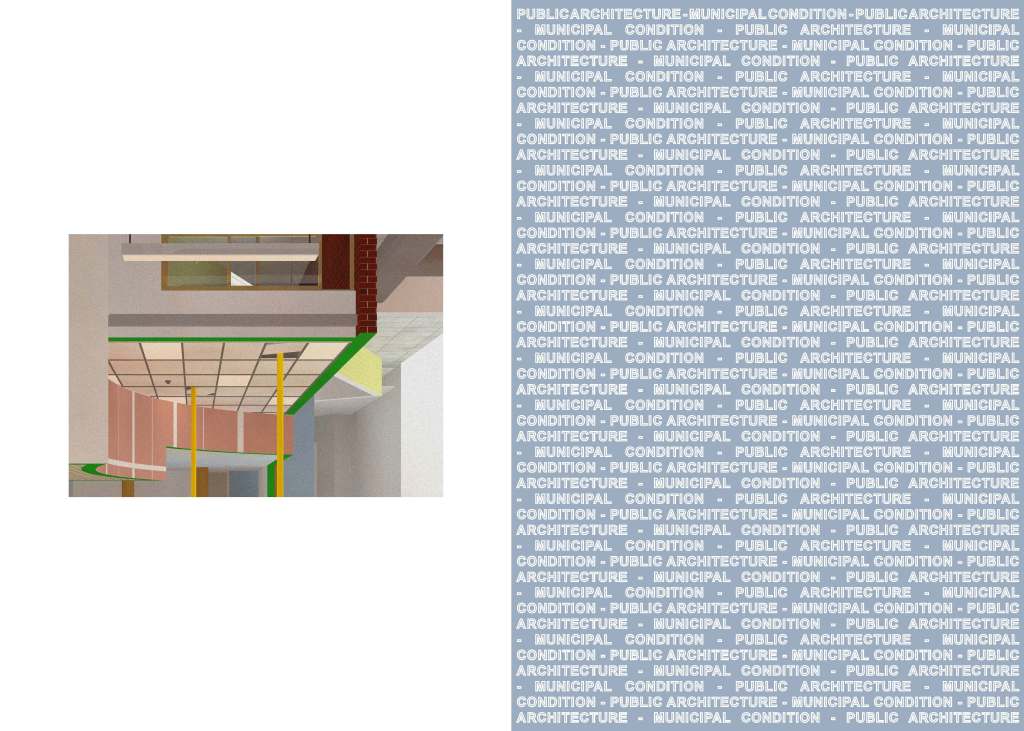
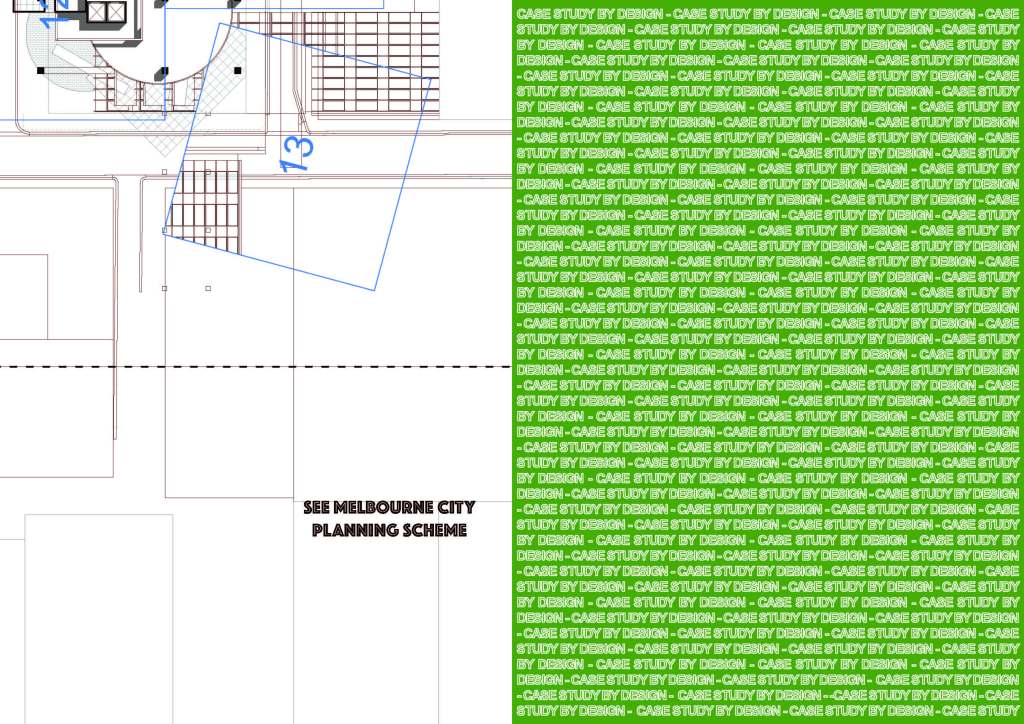
The site plan outlines the ground plane of the new municipal precinct, revealing unexpected programmatic adjacencies and nuanced site-specific observations. The flattened level of hierarchy suggests that the project should be considered holistically—whether it’s the placement of a traffic bollard outside the Melbourne Metro Police Station or the reinstatement of the former Commonwealth Bank Building as the new headquarters for Australia Post China Direct. The site is as enclosed as the interior of Neapoli Wine Bar and as expansive as the network of corridors and formal rooms within Melbourne Town Hall and Council Chambers, or even the shelves of the Woolworths Metro on Swanston Street.


This presupposes a model for architecture where focus and scale are perpetually shifting—a model for ‘moving forward, Sandra’. The project’s expanse is never fully conceived or consistently addressed; instead, the condition is continuously reframed, rezoned, and the problem reintroduced. There are constant starts but no conclusion—an ongoing incompleteness with bureaucratic resolution. The Council has said ‘yes’ to everything but has never fully documented the scope or communicated it to the colleague sitting opposite, let alone to other departments.
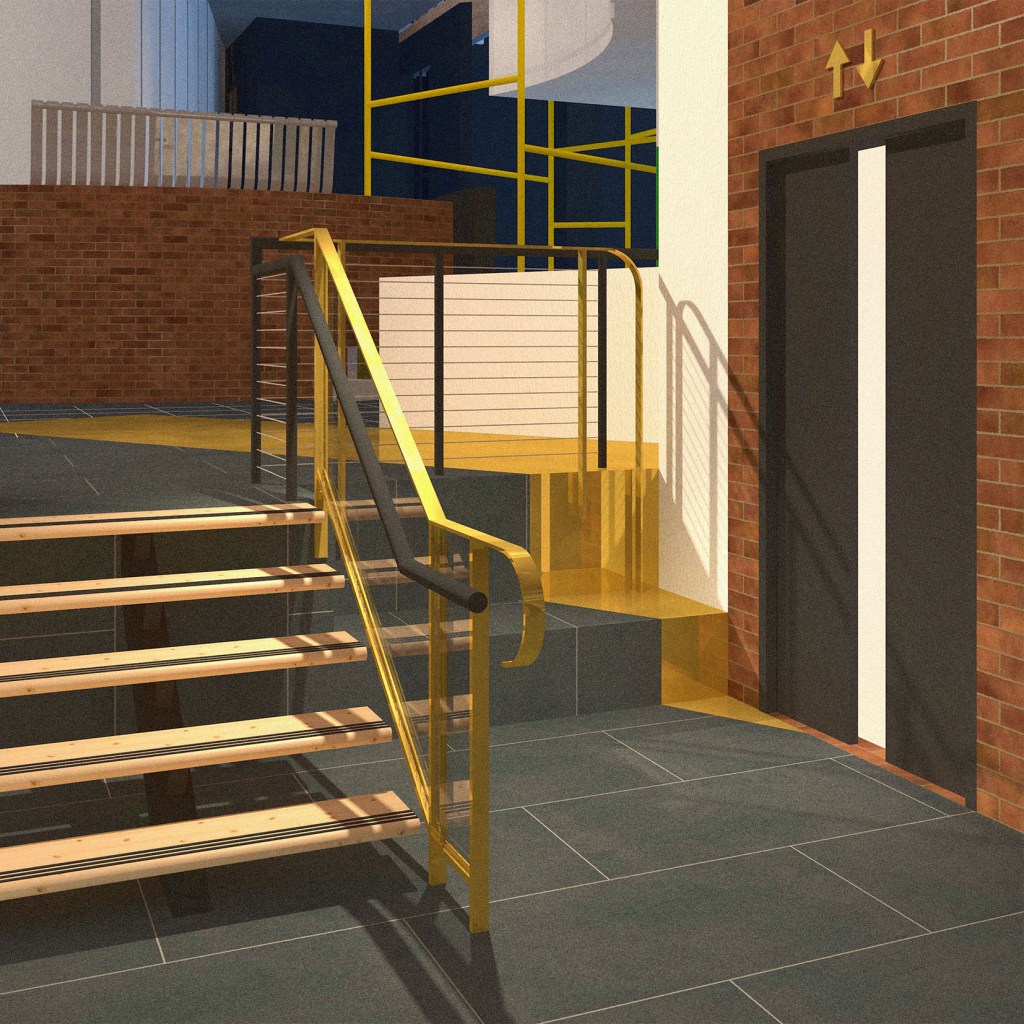
A stair detail remains from initial strategies that divided the precinct into 30x30m cores to be developed independently, without consideration for one another. This stair was split and has become a Melbourne City Council success story. The balustrade seamlessly transitions from glass to wire, and the handrail is continuous. Moving forward, they are considering adding it to the online design standards.
This process of perpetual fragmentation and reorientation is a strategy to embed into the architecture spaces beyond conventional use and economy, similar to providing public space without deliberate intent. Although these spaces may initially seem unplanned, they can evolve into something more significant than mere remnants of construction. Their haphazard formation often embodies a greater public character than if they had been meticulously pre-designed. The Hoddle Grid, when first created, had no provision for public space. The unusual dimensions of the allotments and the incorporation of narrow ‘little’ streets resulted from a compromise between Hoddle’s adherence to the 1829 regulations established by the previous NSW Governor and Bourke’s desire for rear access ways. Yet, it is our laneway culture market, not an Apple store, that defines Federation Square.






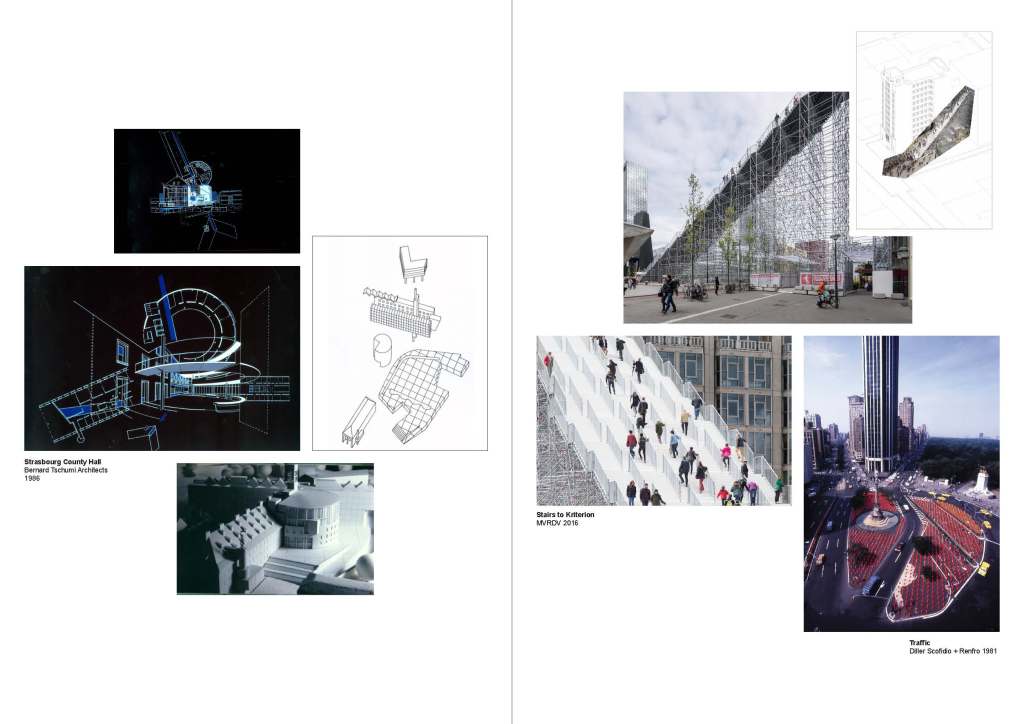
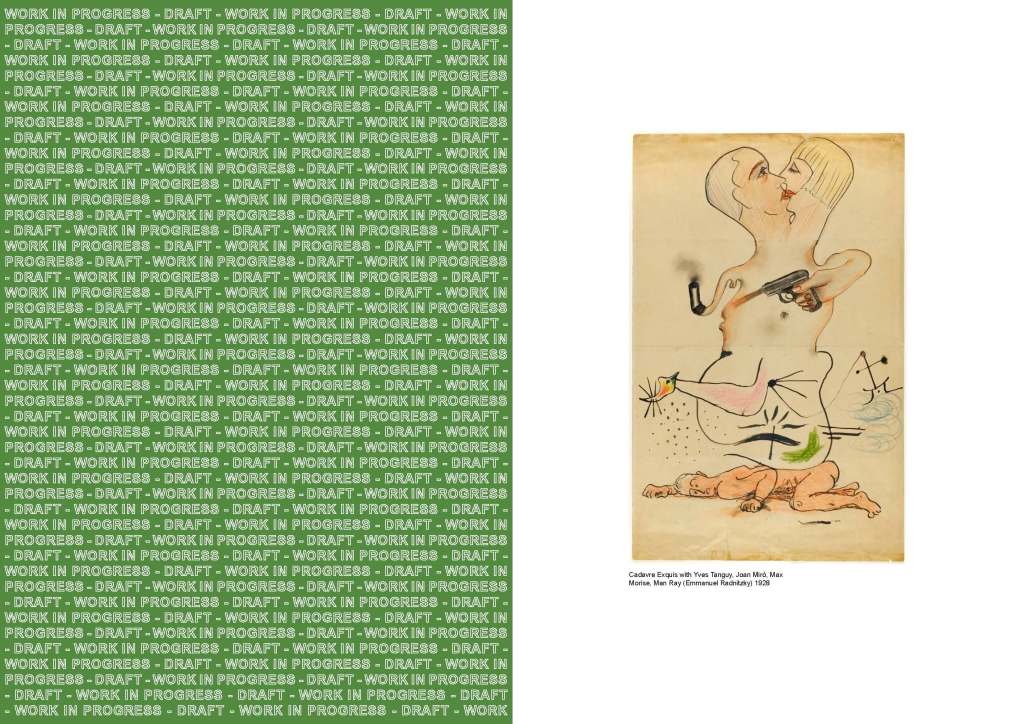
This proposes a model for how an architect might operate within the public realm—capitalising on what may have previously been considered a system error or, alternatively, recognising opportunities within the absurdity of the condition. I have approached our internal areas through this mechanism.


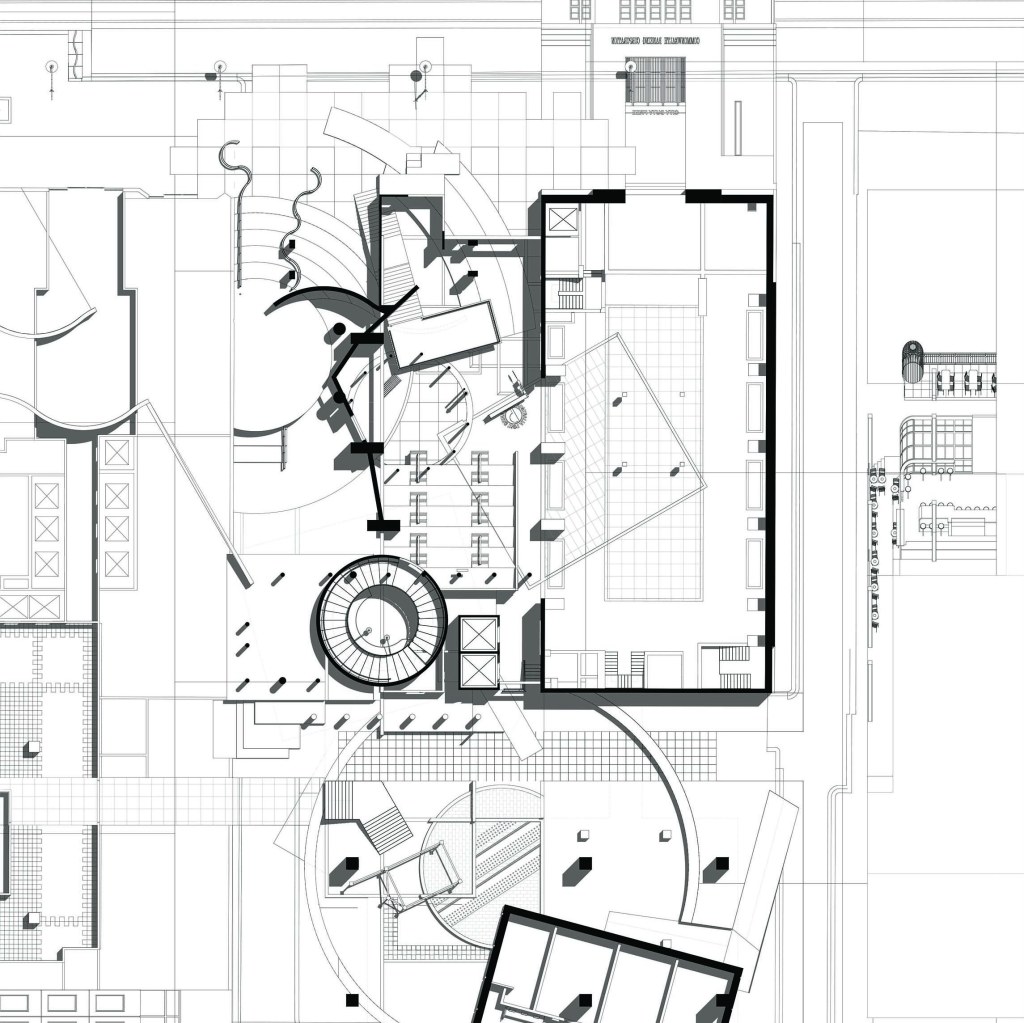
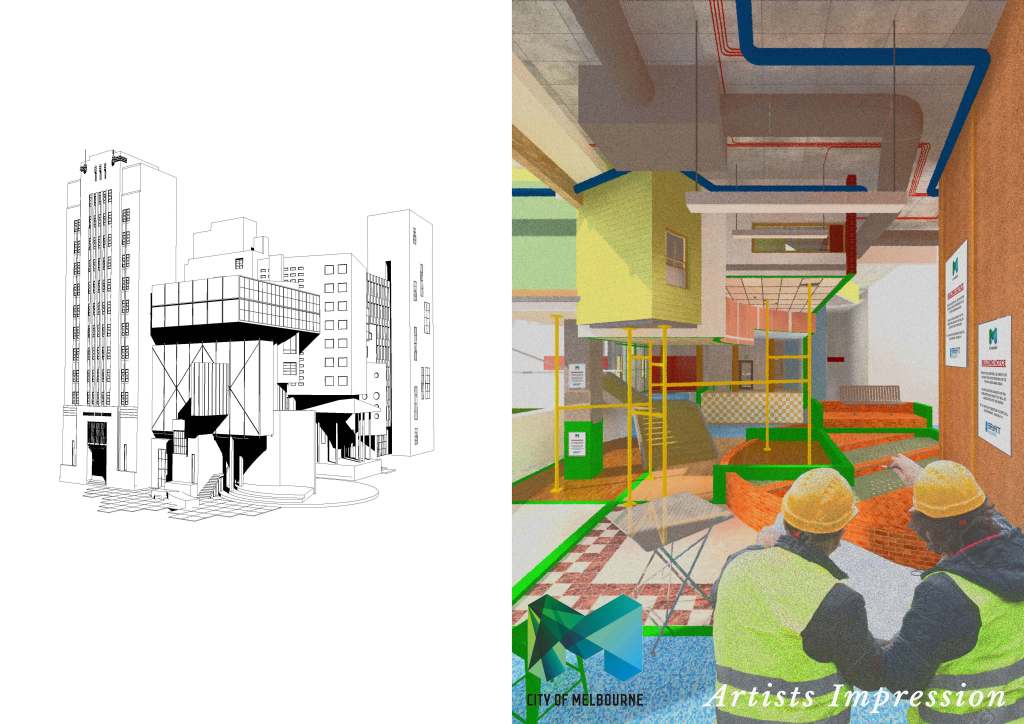
The view of the Central Atrium space reveals remnants of the infrastructure from the original groundbreaking ceremony. The internal courtyard, which extends into the new foyer of the China Direct Headquarters, creates a depression in the ground plane. Opposite, a café has haphazardly taken residence under the stairs, as though the street interface has penetrated into the building.
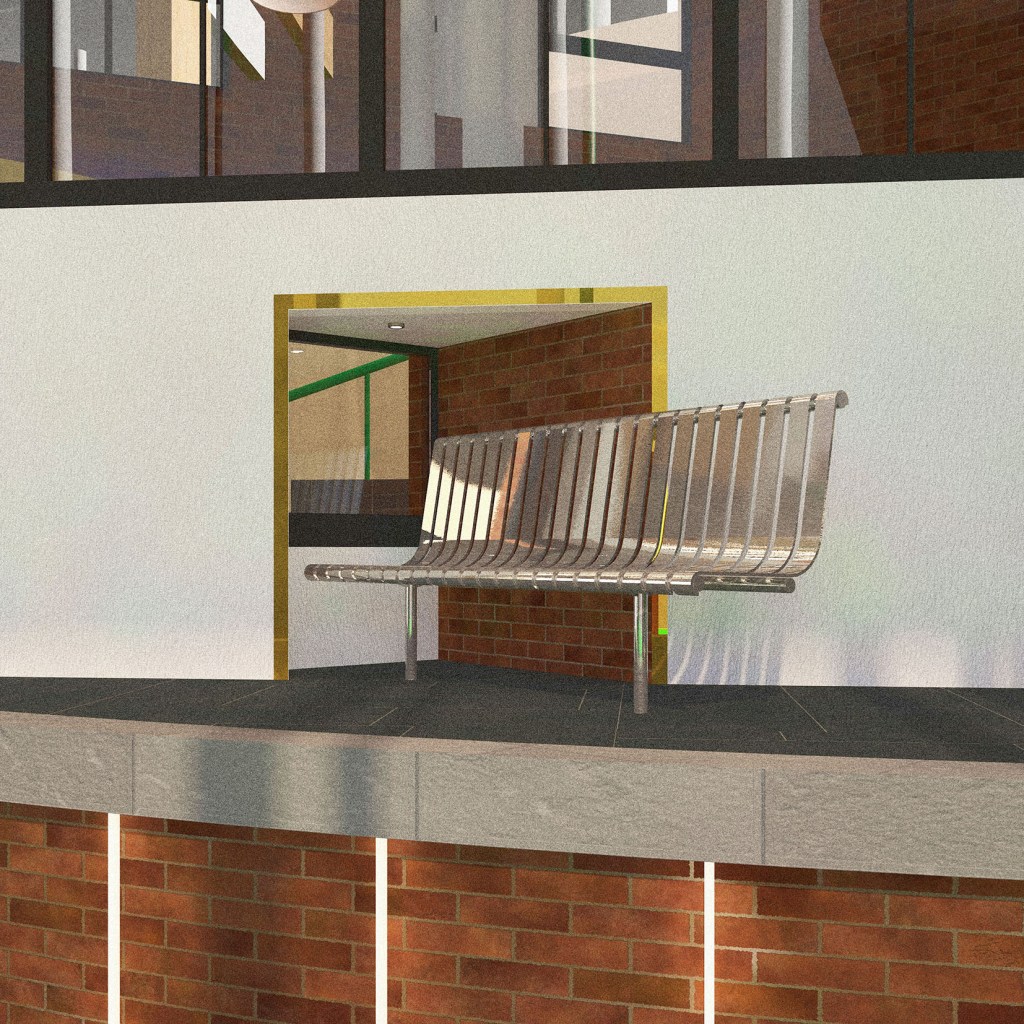
Previous stages of the project are still evident through material and form. Any incongruities have been either meticulously detailed—such as the addition of an extra column or the extension of a handrail—or celebrated as follies. For instance, an alcove was created for a standard Melbourne City stainless steel slatted seat, which is only manufactured in one size. This bench offers a view down the newly pedestrianised section of Royal Lane, which now intersects with an extension to the Tivoli Arcade. Meanwhile, the analogue clock tower, referencing the 2,700 clocks found in New Parliament House, is wound back every year for daylight saving time, though typically a week late.

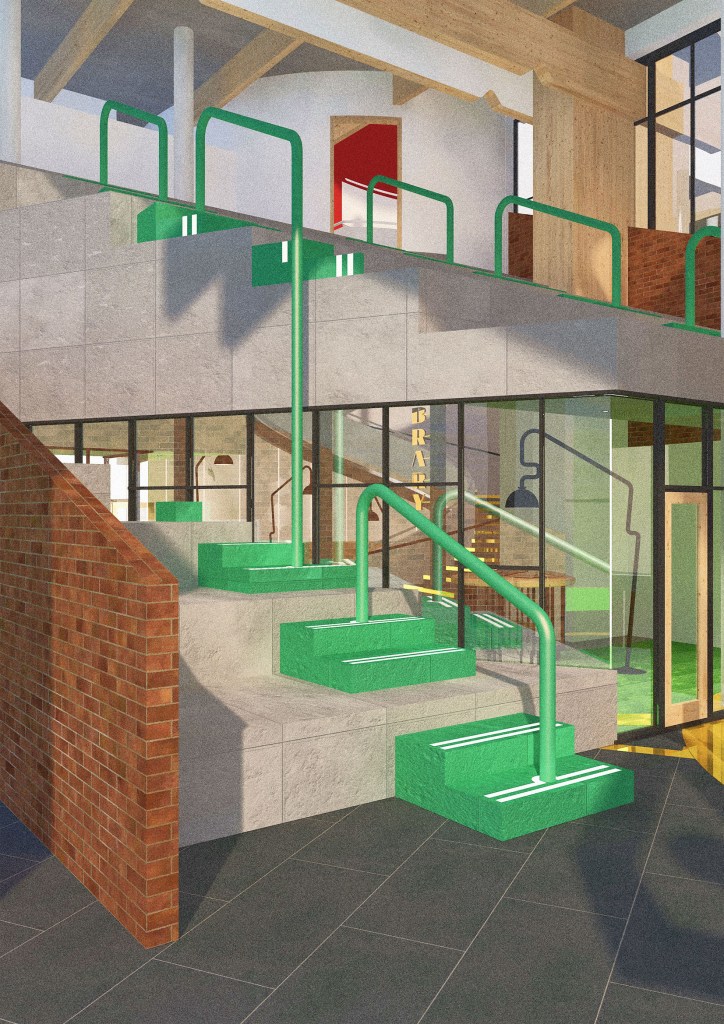

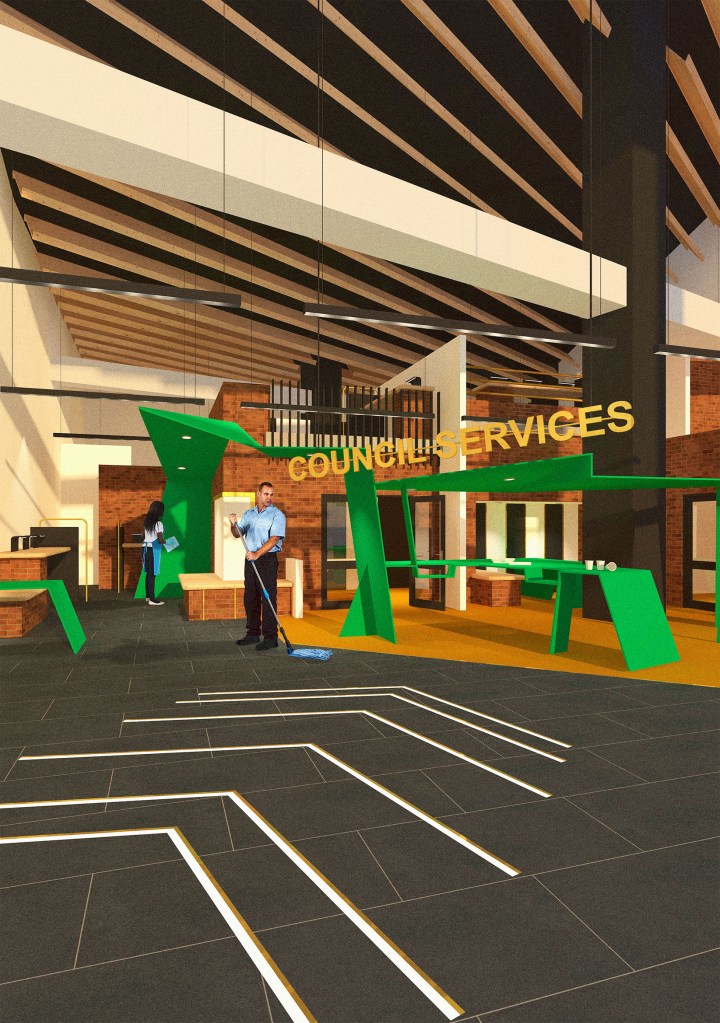
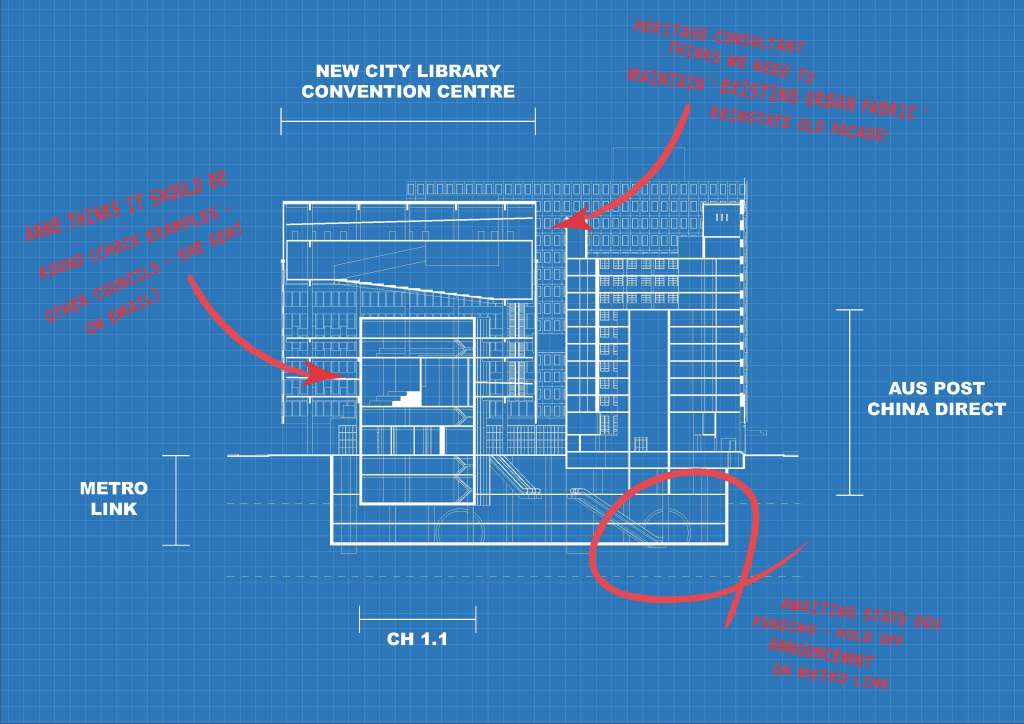
The New City Library has found a permanent home within the municipal precinct. It has welcomed more than half of the total visits to the council’s six branches combined over the past year and is seen as a ‘smart solution’ to increasing community engagement with local councillors. Its addition was timely, given that the current lease in Flinders Lane expires next year and no prior plans had been made. Stairs ascend from the ground plane beneath the retired grandstand, and while furniture design was briefly considered, it was mainly to ensure the vinyl floor met non-slip requirements. Above, the main massing of the library formally intersects with the new council offices.
A Conference Centre intersects with the former floors of Council House 1, with the existing skybridge serving as a symbolic backdrop for the new forum for public and political debate. The vivid hues of the carpet reference both the Victorian Parliament and the State Theatre on St Kilda Road. The acoustic treatment has sparked debate; it’s unclear whether the ‘M’ stands for Melbourne or Metro, as the two have become almost synonymous in recent years. Many find the cavernous space oddly reminiscent of the sheds that have become so ingrained in the city’s fabric. A white matchstick staircase leads to the private meeting rooms, necessary for decisions made behind closed doors, which, according to the most recent ‘Know Your Council’ Performance Review, account for approximately 25% of council decisions. Melbourne City lists this figure alongside the time it takes to address an animal management request: 1.56 days, almost a full day faster than similar councils.
Council Services are located beneath the Conference Centre, within the original footprint of CH1. A conglomeration of informal urban forms reinforces the accessibility of the municipal condition. Similarly, the façade fronting Bourke Street aims to present a friendly monumentality next to the former Commonwealth Bank. The intersection of forms hints at the programmatic negotiations occurring inside, while a public stair spills out onto the footpath, signalling the entrance to Royal Lane. These elements reflect an ambition to create municipal infrastructure that is not only public architecture but also begins to embed itself in the public memory.
A camel might be described as a horse designed by committee, but after this presentation, wouldn’t you agree that a camel is quite fantastic? Community canvassing suggests it will be a success, as long as there’s free Wi-Fi.


 thexhausted.com